Parenting Advice

Why Comparing Children Can Harm Their Confidence: A Complete Guide for Pakistani Parents
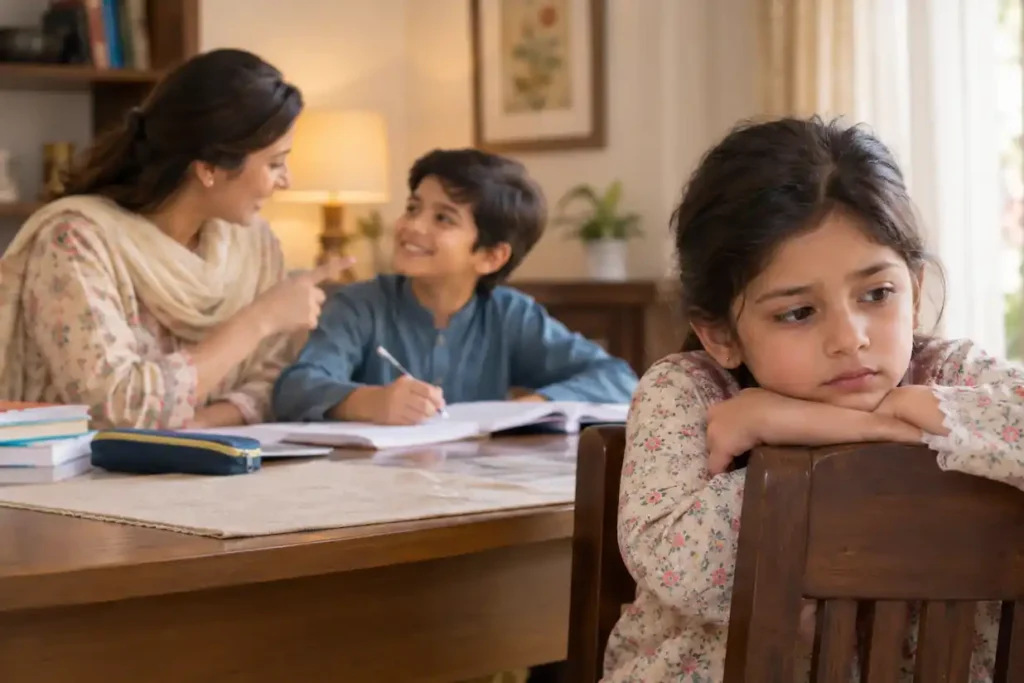
Pakistani girl looking sad while her mother praises her brother during homework time, illustrating how comparing children can affect confidence.

⚡ Quick AnswerComparing children to siblings, cousins, or classmates is harmful because it teaches them that their worth depends on outperforming someone else rather than on their own growth. Research links frequent comparison to lower self-esteem, higher anxiety, and strained sibling relationships. The fix isn’t to stop noticing differences between children—it’s to praise effort and

Why Comparing Children Can Harm Their Confidence: A Complete Guide for Pakistani Parents Read More »
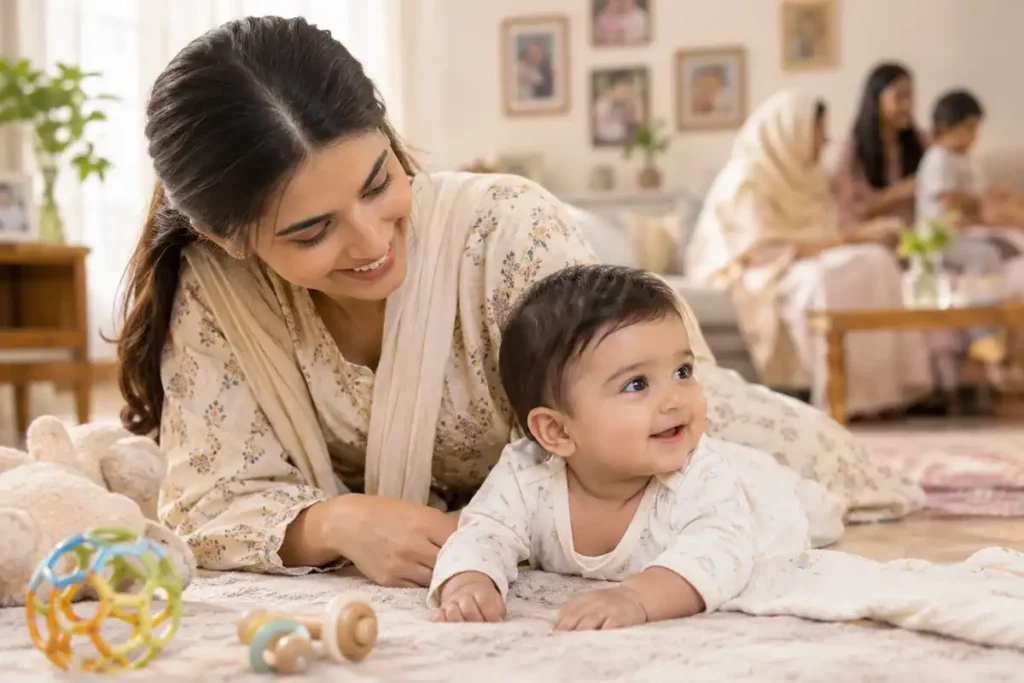
Baby Milestones by Age: How Pakistani Parents Can Track Growth Without the Comparison Pressure

Pakistani mother spending playtime with her baby during early developmental milestones.

✅  Quick Answer Baby milestones by age are general ranges, not deadlines, for skills like sitting, crawling, walking, babbling, and first words. CDC checklists now mark the age by which 75% of children (not just 50%) reach a skill, and WHO research puts independent walking anywhere between 8 and 18 months. For Pakistani parents navigating

Baby Milestones by Age: How Pakistani Parents Can Track Growth Without the Comparison Pressure Read More »

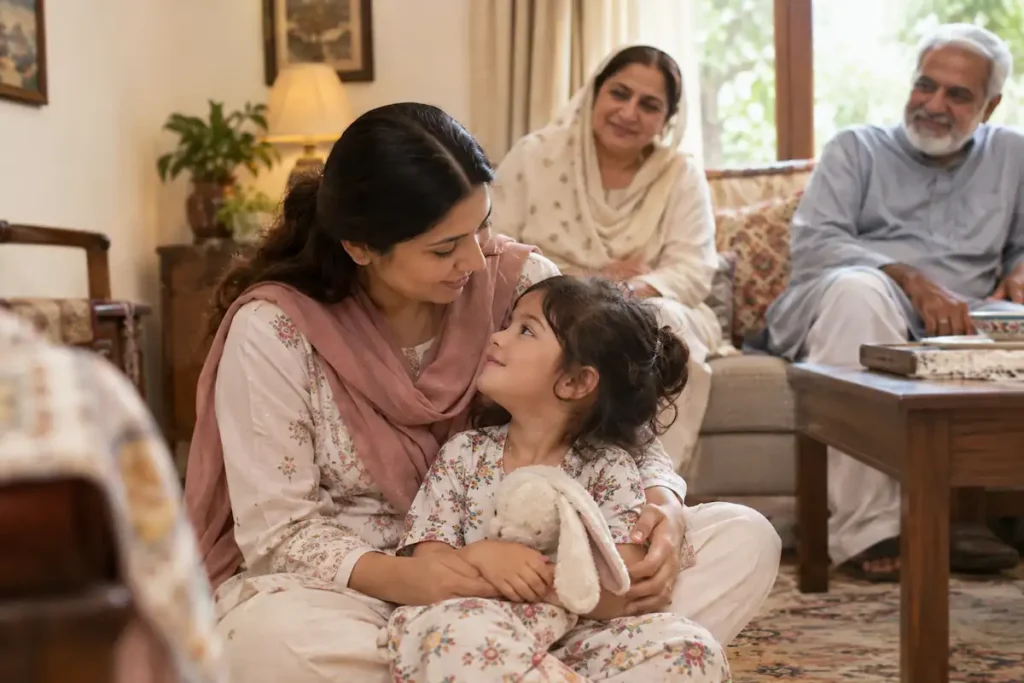
Gentle Parenting in Joint Family Systems: Real Challenges (and Real Solutions) for Pakistani Parents

Gentle Parenting in Joint families

Quick Answer Introduction: The Scene Every Pakistani Parent Knows It’s 8 p.m. in a Lahore drawing room. Your three-year-old is mid-tantrum on the floor because dinner is daal instead of nuggets, and the room has gone quiet the way it does when everyone is watching to see what you’ll do. Your mother-in-law reaches for her

Gentle Parenting in Joint Family Systems: Real Challenges (and Real Solutions) for Pakistani Parents Read More »
Why Parents Feel Emotionally Exhausted (And How to Reset)

Parents Feel Emotionally Exhausted

A parenting burnout guide for Pakistani families—signs, causes, and how to recharge A Familiar Tuesday Night It’s 9 p.m. in a house in Model Town, Lahore—or a courtyard in a small town outside Multan; the address doesn’t really matter. The dishes aren’t done, the school uniform still needs ironing, your mother-in-law wants to know why

Why Parents Feel Emotionally Exhausted (And How to Reset) Read More »

When a Grandparent Dies: How to Help Children Cope With Grief

Mother hugs her sad young son and daughter beside a framed photo of their grandmother and a lit candle.

Helping children cope with a grandparent’s death comes with a special kind of helplessness. The person telling the news is grieving deeply and must also find words for a situation that is still hard to understand. Should the message use “passed away” or “died”? Should the person take the child to the funeral? What if

When a Grandparent Dies: How to Help Children Cope With Grief Read More »

Encouraging Respect Without Fear: How to Raise Kids Who Listen Because They Trust You

Mother teaching child respect without fear

How do you talk to your mother? I remember my mother saying this to me in a way that made my stomach fall, not because I had done something terrible, but because that was the way respect was taught in most Pakistani homes—you had to sit up straight, not argue, not ask why, and just

Encouraging Respect Without Fear: How to Raise Kids Who Listen Because They Trust You Read More »

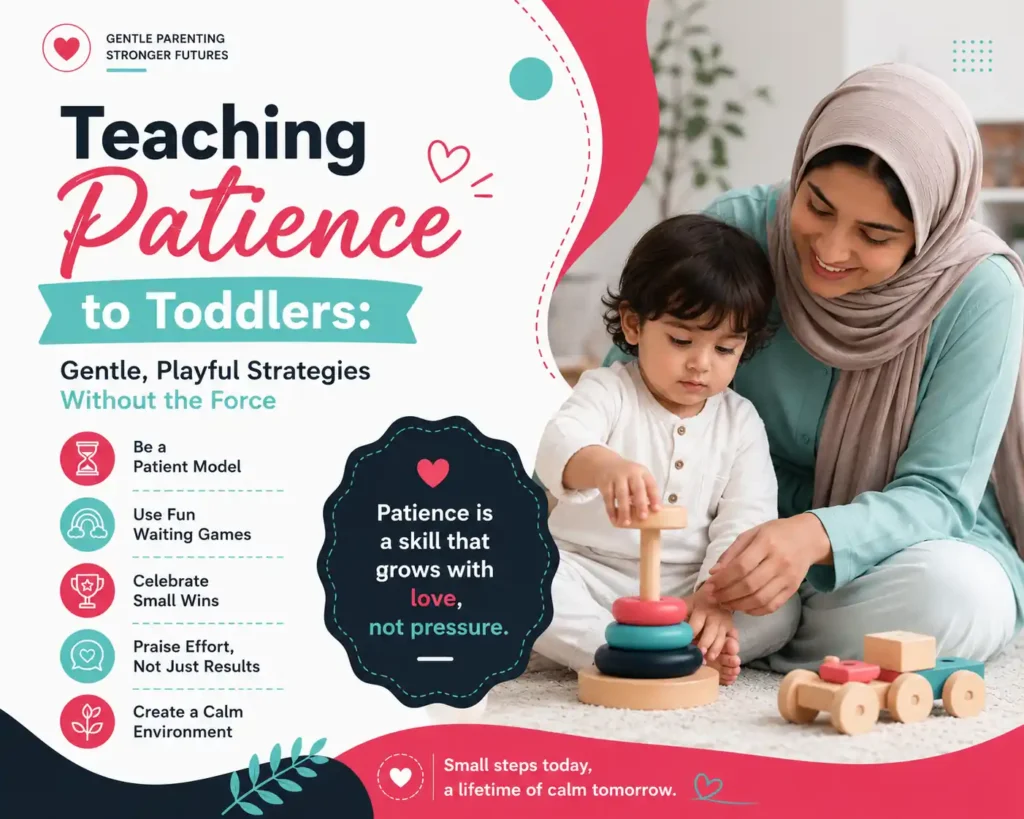
Teaching Patience to Toddlers: Gentle, Playful Strategies Without the Force

Infographic titled “Teaching Patience to Toddlers” showing a smiling woman in a hijab helping a toddler stack colorful rings, with gentle parenting strategies listed.

 “Bas ek second, beta! Sabar karo!”  How many times a day do you find yourself saying that? If you are a mother in Pakistan, “sabar” is probably one of the very first words you try to plant in your child’s vocabulary. Yet, the response we get is rarely quiet compliance. Instead, we are met with

Teaching Patience to Toddlers: Gentle, Playful Strategies Without the Force Read More »

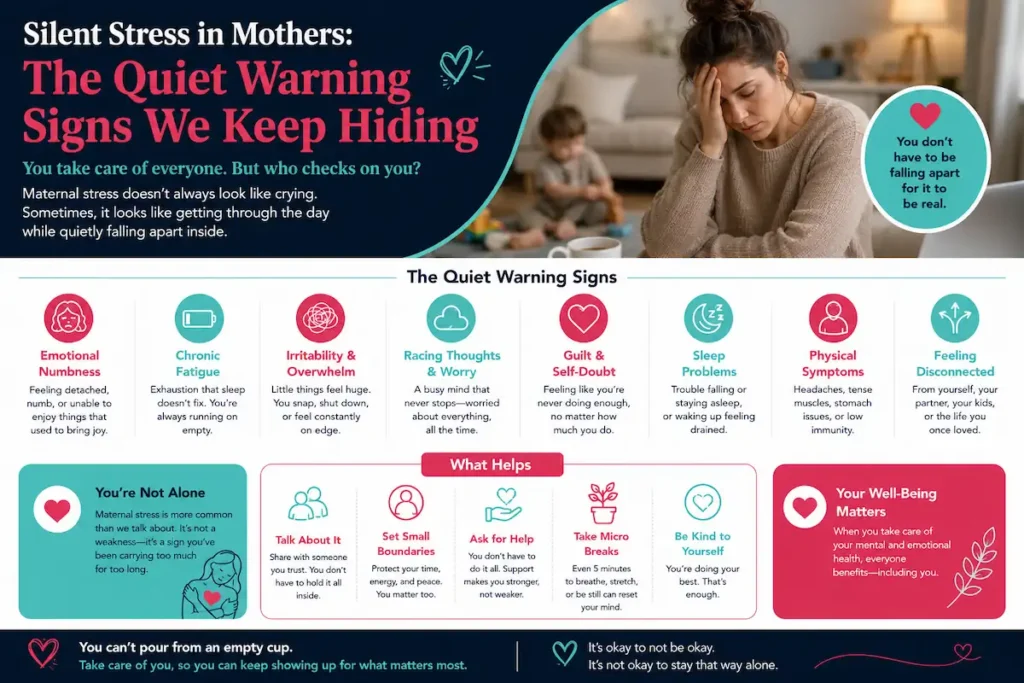
Silent Stress in Mothers: The Quiet Warning Signs We Keep Hiding

silent stress in mothers

It is 11:45 PM. The house is finally quiet. The toys are put away, the kitchen counters are wiped clean, and your children are fast asleep. You should be sleeping too, but instead, you are staring at the ceiling. Your body is completely exhausted, yet your brain is running a marathon. You find yourself mentally

Silent Stress in Mothers: The Quiet Warning Signs We Keep Hiding Read More »

Shopping Cart