
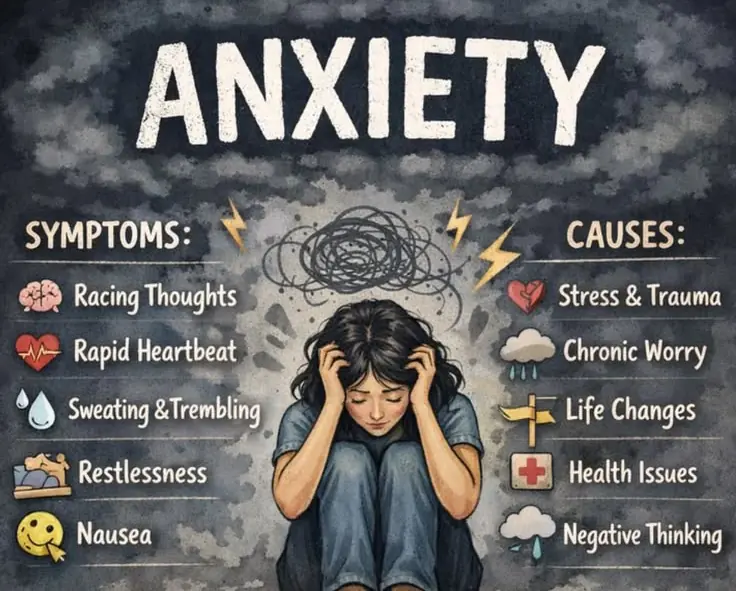
First-time mom anxiety is one of the most common and least talked-about parts of new motherhood — you are not alone.
Quick Answer — For Voice Search & AI Overviews
Is first-time mom anxiety normal? Yes — studies show up to 20% of new mothers experience clinically significant anxiety after birth, and mild worry is nearly universal. First-time mom anxiety becomes a concern when it is persistent, overwhelming, or stops you from functioning normally. Key strategies include building a small trusted circle, limiting conflicting advice, establishing a loose daily routine, accepting imperfection, and seeking professional help when anxiety does not ease after two weeks.
Table of Contents
- Is First-Time Mom Anxiety Normal?
- Baby Blues vs Postpartum Anxiety
- What Triggers New Mom Anxiety
- The Pakistani Mom Reality
- 9 Proven Ways to Feel in Control
- Building a Routine That Helps
- Common Mistakes That Make Anxiety Worse
- When To See a Doctor
- Frequently Asked Questions
3 AM. The baby has finally stopped crying. You put her down gently — barely breathing yourself — and the moment she is still, a new wave of worry hits: Is she breathing? Was that cry normal? Did I feed her enough? Am I doing this right? You haven’t slept more than two hours at a stretch in five days. Your mother-in-law has opinions about everything. Your husband is trying to help, but doesn’t understand why you’re still crying at noon. And somewhere underneath all of it is this terrifying, unspoken thought: Why doesn’t this feel the way I thought it would?
If that sounds familiar, you are not broken. You are not a bad mother. You are experiencing first-time mom anxiety — one of the most common and least-discussed realities of new motherhood. This article explains what is happening in your mind and body, why Pakistani moms face unique pressures, and nine practical, evidence-backed strategies to help you feel more in control — starting today.
20%
New mothers experience clinically significant postpartum anxiety
80%
New moms experience some form of baby blues in the first 2 weeks
50%
Postpartum anxiety cases go undiagnosed or untreated (WHO 2023)
6 mo
Typical time for mild new-mom anxiety to ease with support
Is First-Time Mom Anxiety Normal?
The short answer: completely, medically, overwhelmingly yes. The transition into motherhood — particularly the first time — is one of the most neurologically and hormonally significant events in the human experience. Within 24 hours of giving birth, estrogen and progesterone levels drop more sharply than at any other point in a woman’s life. These are the same hormones that regulate mood, emotional regulation, and sleep. The drop is sudden, dramatic, and nobody warns you about it properly.
Add to this: a brand-new human who depends entirely on you, whose signals you haven’t yet learned to read, in a body that is physically recovering from birth, often in a household with a lot of opinions and expectations. Anxiety under these conditions is not a character flaw. It is a predictable physiological and psychological response.
A 2023 review published in Archives of Women’s Mental Health found that anxiety is actually more common than postpartum depression in new mothers — yet it is diagnosed and treated far less often because it is normalised and dismissed. “Sab moms such feel karti hain” should not be an excuse to leave someone struggling alone.
Research Insight
Up to 20% of new mothers meet diagnostic criteria for postpartum anxiety disorder. Milder anxiety affects the vast majority. The difference between “normal new-mom worry” and a disorder that needs treatment is primarily about severity, duration, and how much it interferes with your life and your ability to bond with your baby.
Baby Blues vs Postpartum Anxiety: Know the Difference
These two things feel similar — and they get confused constantly. Knowing the difference matters because postpartum anxiety does not resolve on its own the way baby blues do.
| Factor | Baby Blues | Postpartum Anxiety |
| When it starts | 2–3 days after birth | Days to weeks after birth |
| How long does it last | Resolves within 2 weeks | Persists beyond 2 weeks, often worsens |
| Main feeling | Sadness, tearfulness, mood swings | Worry, fear, racing thoughts, dread |
| Physical symptoms | Fatigue, mild tearfulness | Racing heart, chest tightness, nausea, insomnia |
| Intrusive thoughts | Rare or mild | Common — often about the baby’s safety |
| Sleep | Difficulty from newborn demands | Cannot sleep even when the baby sleeps |
| Daily function | Mostly manageable | Significantly impaired |
| Needs treatment? | Support & rest usually enough | ⚠️ Often needs professional support |
⚠️ Important
If you are unsure which one you are experiencing, just tell your doctor how you are feeling. You do not need to self-diagnose. The most important thing is to speak up. Many Pakistani moms stay silent because they fear judgment or being seen as “weak.” Please don’t. What you’re feeling is medical, not moral.
What Triggers First-Time Mom Anxiety
Understanding what is fuelling the anxiety can make it feel less like you are falling apart and more like something you can actually address. Common triggers include:
Biological Triggers
- Hormonal crash after delivery — estrogen and progesterone drop sharply, directly affecting mood regulation
- Sleep deprivation — the amygdala (the brain’s alarm system) becomes hyperreactive after even one night of disrupted sleep
- Physical recovery — healing from birth while also caring for a newborn is physically exhausting in ways that heighten emotional fragility..
- Breastfeeding challenges — milk supply anxiety, latch pain, and nipple damage are significant stress triggers in the early weeks..
Psychological Triggers
- Responsibility overwhelm — the sudden realisation that a human life depends entirely on your decision.
- Identity shift — many new moms grieve parts of their previous li,f,e even while genuinely loving their baby; this guilt compounds anxiety
- Perfectionism — the pressure to be a “good mother” according to impossible standards creates constant fear of failure
- Previous anxiety or trauma — women with pre-existing anxiety are at significantly higher risk for postpartum anxiety
Social Triggers
- Information overload — contradictory advice from family, social media, and Google creates paralysis
- Lack of support — despite living in joint families, many Pakistani moms feel emotionally alone
- Comparison — social media makes it appear like everyone else is thriving while you are barely surviving.
- Unrealistic expectations — movies, TV, and social media present motherhood as immediately joyful rather than genuinely hard
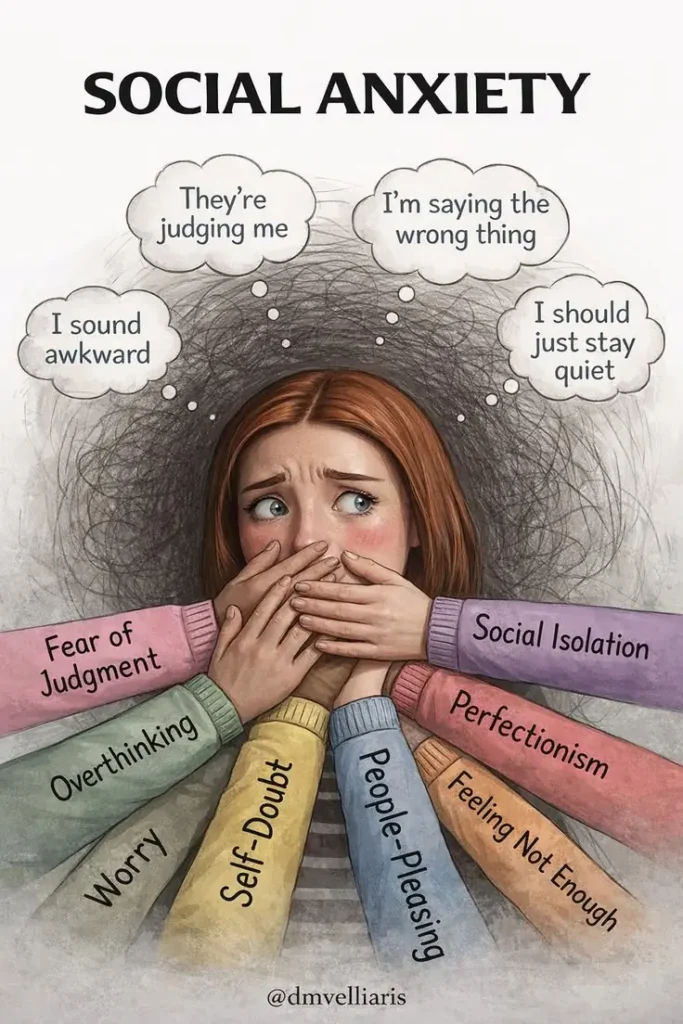
The Pakistani Mom Reality: Unique Pressures No One Talks About
Generic parenting advice — written largely for Western audiences — does not account for the specific texture of being a new mom in Pakistan. The pressures here are real, specific, and deserve to be named directly
The Joint Family Pressure
You are recovering from birth in a house full of people with opinions. Your saas has views on feeding. Your mother swears by one method. Yournamed is commenting on the baby’s weight. And you — the actual mother — feel like the least authoritative voice in the room about your own baby.
This is one of the most common sources of anxiety among Pakistani new moms. The intention is love. But the effect can be overwhelming, undermining, and isolating — particularly when conflicting advice paralyses your own instincts.
The “Sab Theek Hai” Culture
In Pakistani society, admitting struggle — especially emotional struggle — often feels like failure. “Log kya kahenge” is a real psychological weight. Mothers are expected to manage, not to need managing. Postpartum anxiety is rarely discussed openly, rarely diagnosed, and rarely treated. Many women suffer in silence for months, sometimes years.
The truth: talking about how you’re really feeling is not weakness. It is the bravest thing a new mom can do.
The Social Media Trap — Pakistani Edition
Instagram is full of perfectly dressed babies, immaculate living rooms, and moms who appear to have recovered from birth overnight. In the Pakistani context, this is compounded by comparison with relatives — “Sana ke baby ka weight kitna ho gaya hai” — that happens at every family gathering. Constant comparison is one of the most reliable ways to make anxiety worse.
9 Proven Ways to Feel More in Control
These are not vague affirmations. These are specific, evidence-informed strategies that actually work — adjusted for the reality of life in Pakistan:
- Identify Your One Trusted Voice — and Mute the Rest
The number one driver of new-mom anxiety is too much conflicting advice. Your saas says one thing, your mother says another, and a Facebook group says the opposite. Pick one trusted, qualified source — your paediatrician — and give that voice priority over all others. When family advice conflicts with your doctor’s guidance, say gently: “Doctor ne kuch aur bola hai, main unse confirm kar leti hoon.” This gives you a socially acceptable way to hold your ground. - Name What You Are Afraid Of — Out Loud or on Paper
Anxiety thrives on vagueness. When everything feels scary, the fear has no edges and no end. Writing down or saying out loud exactly what you are afraid of — “I am scared the baby is not gaining enough weight” — immediately reduces its power. Once it has a specific shape, you can ask a specific question or take a specific action. Vague dread becomes a solvable problem. - Build a Loose Daily Routine — Not a Schedule
Newborns are unpredictable. Trying to follow a strict schedule will fail and make you feel worse. But a loose sequence — feed, brief wake time, sleep — gives your day a shape that makes it feel manageable. Predictability, even rough predictability, is one of the most effective anxiety-reduction tools there is. The goal is not control of the baby. It is structured for you. - Sleep in Blocks — Not Hours
You will not get 8 hours. That is reality. What you can do is protect 2–3 hour sleep blocks as sacred. When someone offers to take the baby, do not clean the house. Sleep. Sleep deprivation alone can mimic the symptoms of anxiety disorder. Every protected sleep block is a direct investment in your mental health. - Get Outside Once a Day — Even for 10 Minutes
Fresh air, natural light, and a change of physical environment are clinically documented mood regulators. In Pakistani summers, go early in the morning or evening. Even standing on the balcony, walking around the block with the pram, or sitting in the courtyard counts. Staying inside all day intensifies anxiety significantly — your nervous system needs environmental change. - Practice the 4-7-8 Breathing Technique
When anxiety spikes — racing heart, tight chest, overwhelming thoughts — this works: breathe in for 4 counts, hold for 7, breathe out slowly for 8. Repeat 3–4 times. This activates the parasympathetic nervous system (your body’s calming mechanism) and physically reverses the stress response within 60–90 seconds. No equipment needed. Works at 3 AM, works in a room full of people, works anywhere. - Separate “Safe But Scary” from “Actually Unsafe”
Much of new-mom anxiety centres on worst-case thinking about the baby’s safety. When a fear arises, ask: “Is my baby actually in danger right now, or does this just feel dangerous?” A baby crying is distressing — but it is not an emergency. A soft spot on the head is normal — not an injury. Practising this distinction interrupts the anxiety spiral before it escalates. - Ask for Specific Help — Not General
“I need help” is easy to ignore. “Can you hold the baby for two hours so I can sleep?” is impossible to misunderstand. In Pakistani family settings, people want to help but don’t know how. Give them specific jobs: bring food, do the dishes, sit with the baby so you can shower. Converting your need into a clear request is a skill — and it removes the mental load of managing everyone’s good intentions. - Talk to Your Doctor — Without Minimising Your Symptoms
Pakistani moms tend to describe their anxiety at about 30% of its actual severity when talking to doctors, because they do not want to seem dramatic. Please describe it at 100%. Say: “Main bohot zyada worried rehti hoon aur ruk nahi sakti.” Your doctor cannot help what they do not fully understand. Postpartum anxiety is a medical condition. You would not minimise a fever. Do not minimise this.
Building a Loose Daily Structure That Actually Helps
Routine is one of the most underrated tools for managing new-mom anxiety. Not because it controls the baby — it won’t — but because it gives you a sense of agency and predictability in a period that otherwise feels completely chaotic.
| Time Block | Anchor Activity | Why It Helps Anxiety |
| First thing AM | One glass of water before the phone | Delays the morning information flood; grounds you physically |
| Morning | Get dressed — even if staying home | Identity cue: you are a person, not just a milk machine |
| Midday | 10 min outside/window/balcony | Natural light regulates cortisol (stress hormone) |
| After the baby’s nap | 15 min for yourself — not chores | Replenishes the emotional reserves you draw on for caregiving |
| Evening | One real meal, eaten sitting down | Nutrition directly affects mood stability and anxiety levels |
| Before sleep | Phone away 30 min before bed | Blue light and information both disrupt sleep architecture |
| Night feeds | Keep the lighting dim; no phone | Prevents full cortisol spike; makes returning to sleep easier |
This is not a schedule — it is a set of anchors. If you hit even three of them in a day, that is a win.

❌Common Mistakes That Make First-Time Mom Anxiety Worse
Most new moms make these mistakes, genuinely trying to cope. Knowing about them makes it easier to catch yourself and course-correct:
| Mistake | Why Moms Do It | What It Actually Does |
| Googling every symptom | Feels like being proactive and informed | Feeds anxiety loop; worst-case results dominate search |
| Compared to other babies online | Trying to benchmark “normal”. | Every comparison highlights a perceived deficiency |
| Saying “I’m fine” when you’re not | Not wanting to burden family or seem weak | Delays support and allows anxiety to compound |
| Skipping meals to “be more efficient.” | Too busy, too tired, guilt about sitting down | Blood sugar drops, spike cortisol,l and worsen anxiety directly |
| Trying to do everything alone | Fear of being seen as unable to cope | Accelerates burnout; isolation worsens all mental health conditions |
| Waiting for anxiety to pass on its own | Normalising severe symptoms; hoping it resolves | ⚠️ Can allow anxiety disorder to become entrenched |
| Using social media as comfort | Connection, distraction at 3 AM | Comparison and blue light both actively worsen symptoms |
When To See a Doctor
Most mild new-mom anxiety improves with support, rest, and the strategies in this article. But some signs mean it is time to speak to a doctor — your OB/GYN, your GP, or a mental health professional. Please do not wait if you are experiencing any of the following:
🚨 Seek Help If You Experience:
- Worry or anxiety that has lasted more than two weeks without improving
- You cannot sleep even when the baby is sleeping, and someone else has taken over
- Frequent panic attacks — racing heart, difficulty breathing, sense of dread
- Feeling detached from your baby or unable to feel love or connection
- Intrusive, frightening thoughts about harming yourself or your baby (this is more common than you think and treatable — please speak up)
- Feeling unable to function — unable to eat, care for yourself, or leave the house
- Your partner, family member, or friend is concerned about how you are doing
- Something just feels deeply wrong — trust that instinct
💚 Remember
Getting help for postpartum anxiety is not a failure as a mother. It is one of the most responsible things you can do for your baby. A mentally healthy mother is the most important thing a newborn can have. Treatment works — therapy, medication if needed, and support all lead to real recovery.
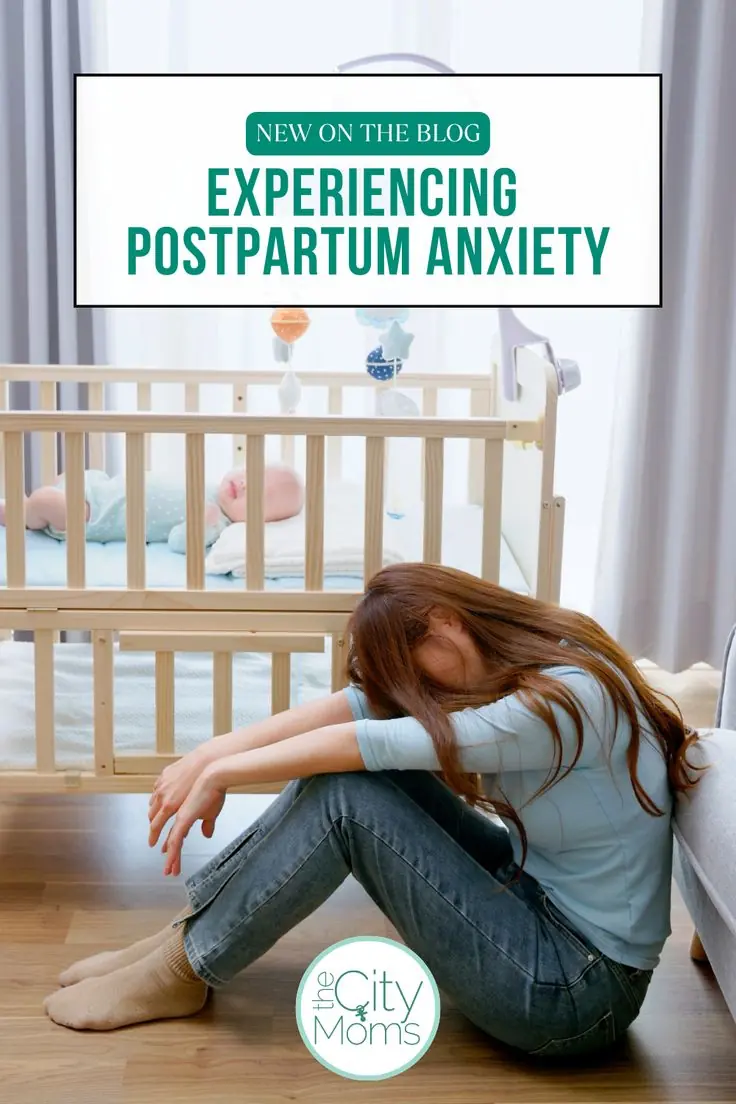
Seeking help for postpartum anxiety is a sign of strength — and it is the most important thing you can do for both yourself and your baby.
❓Frequently Asked Questions
Read More on Momistan
Morning Sickness Solutions That Actually Work and /why newborns suddenly feed nonstop, understanding cluster feeding without panic,
PostExplore Morepartum Guides →
You Are Doing Better Than You Think
The fact that you worry this much means you care this much — and your baby is lucky to have someone who cares so deeply. First-time mom anxiety does not make you a bad mother. It makes you a human one. The hard part is real. The overwhelm is real. And so is your strength — even when you can’t feel it right now. Ek dum theek ho jaogi. One day, one feed, one breath at a time.
Disclaimer: This article is for informational purposes only and does not constitute medical or psychological advice. If you are experiencing symptoms of postpartum anxiety or depression, please consult a qualified healthcare provider. Sources referenced include Archives of Women’s Mental Health (2023), WHO Mental Health Report (2023), and ACOG Postpartum Care Guidelines (2024).
Disclaimer: This article is for informational and educational purposes only and is not intended as medical, psychological, or nutritional advice, diagnosis, or treatment. Every child, body, and pregnancy is different — please consult your pediatrician, doctor, or a qualified healthcare provider for advice specific to your situation.