A quick note before we start: this article shares general information to help you feel informed — it isn’t a diagnosis or a substitute for your doctor’s advice. If something here concerns you, please reach out to a healthcare professional.
Common Food Allergies in Babies: What Every Parent Needs to Know
When you start giving your baby food it is exciting.. For many parents it also brings a big fear. They think “what if my baby gets an allergy”. Food allergies in babies are real.. If you have the right knowledge you can introduce foods safely and confidently.
This guide will help you understand the common food allergies in babies. You will learn about the warning signs to watch for. You will also learn how to introduce foods safely.
In Pakistan many parents think “every baby will get an allergy”.. This is not true. Not every baby gets an allergy. However it is very important to be aware of the risks.
What Is a Food Allergy?
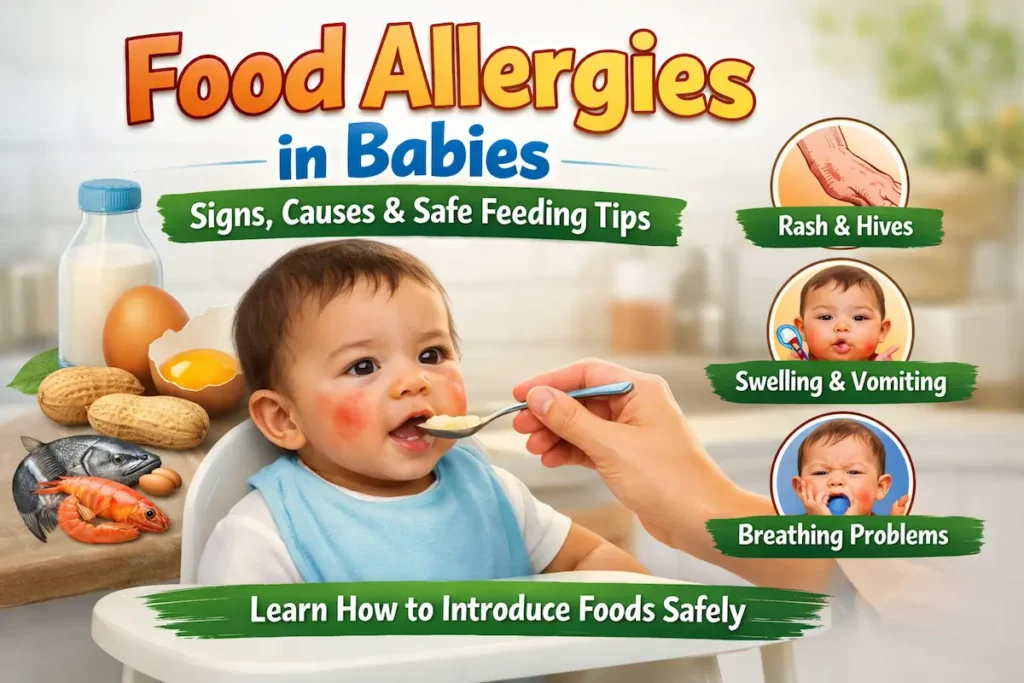
A food allergy happens when your baby’s immune system reacts to a food as harmful. This reaction can be mild, like a rash or itching. It can also be moderate like vomiting or swelling. In some cases it can be severe, like breathing difficulty. This is an emergency.
It is different from food intolerance. Food intolerance is like gas or mild discomfort.
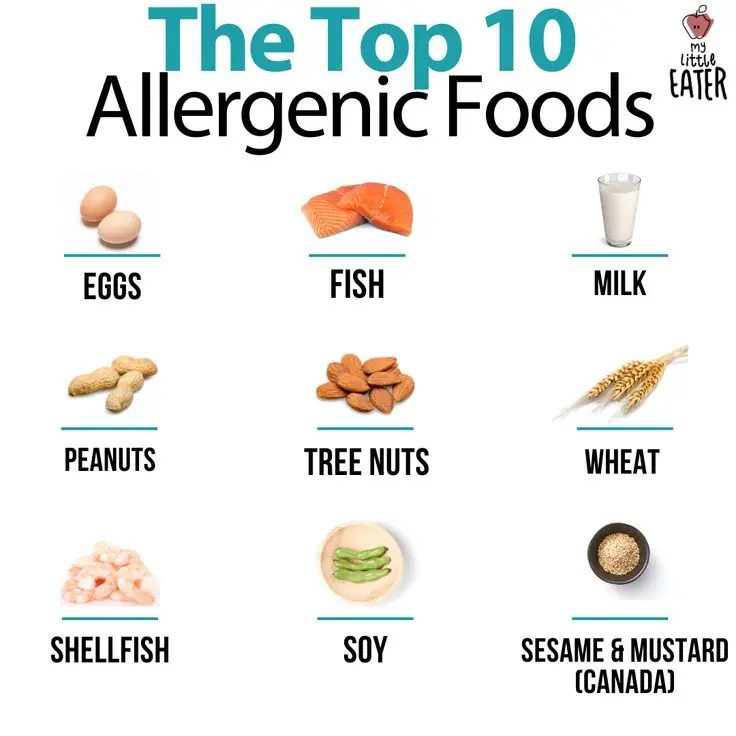
Most Common Food Allergies in Babies
There are some foods that are known to cause allergies in babies. These are:
1. Cow’s Milk
Many babies who drink formula get an allergy to cow’s milk. This can cause rashes, vomiting or diarrhea.
2. Eggs
Egg whites are especially bad for babies with allergies. They can cause skin reactions or swelling.
3. Peanuts
Peanuts are one of the serious allergens. You need to be very careful when introducing peanuts to your baby.
4. Tree Nuts
Almonds, cashews and walnuts are all tree nuts. You should not give nuts to your baby. Only give them in forms.
5. Wheat
Wheat can cause digestive issues or skin reactions in some babies.
6. Soy
Soy is found in processed foods and formulas. Some babies can get an allergy to soy.
7. Fish & Shellfish
These are not as common. They can cause strong reactions in some babies.
Signs of Food Allergies in Babies
reactions usually appear within minutes to a few hours after eating.
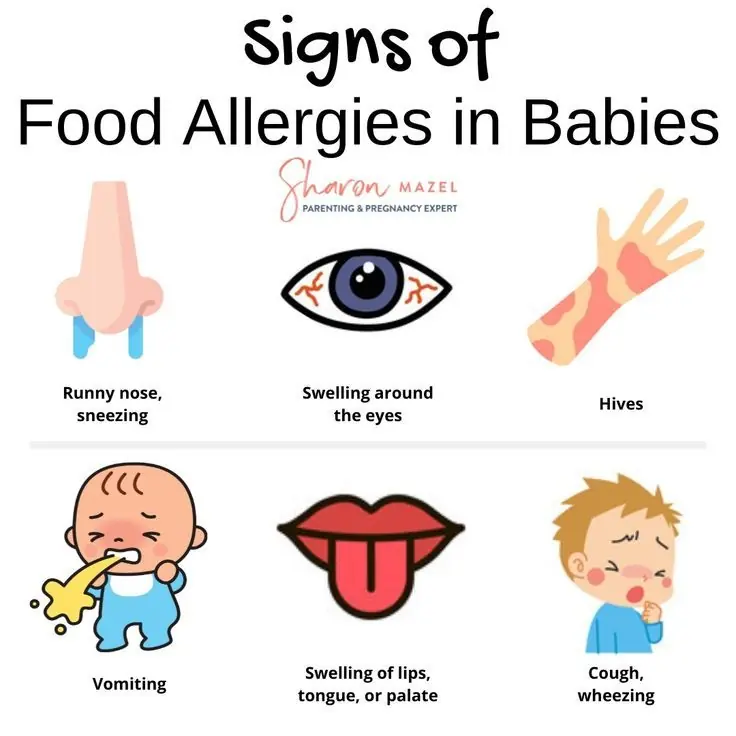
Symptoms
Your baby may get a skin rash or hives. Their mouths may be red. They may also itch.
Moderate Symptoms
Your baby may vomit or have diarrhea. Their lips or eyes may swell.
Symptoms
This is an emergency. Your baby may have trouble breathing. They may wheeze. Their skin may be pale or blue. They may not respond.
If your baby has symptoms you should seek emergency help immediately.
When Do Food Allergies Usually Start?
Food allergies often appear when you introduce foods to your baby. This is usually 6 months. They can also appear when you introduce foods quickly.
This is why it is very important to introduce foods carefully.
How to Introduce Allergenic Foods Safely
Research says that introducing allergenic foods early may actually reduce the risk of allergy.
Follow These Safe Steps
You should introduce one food at a time. Wait 2-3 days before trying another food. Start with amounts. Give the food during the day not at night. Monitor your baby for reactions.
The American Academy of Pediatrics says that introducing foods early in safe forms is a good idea.
Safe Ways to Give Allergenic Foods
You should never give foods that can cause choking.
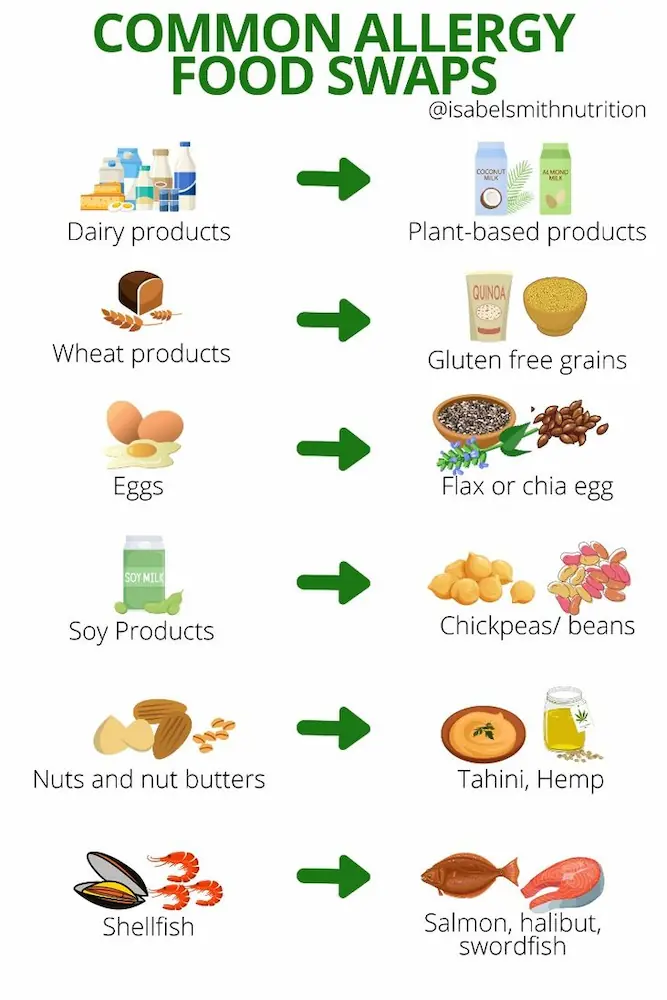
Examples
You can give peanut butter as a layer or mixed in puree. You can give eggs when they are fully cooked. You can give yogurt when it is plain and unsweetened.
In Pakistan many parents think “everything should be soft and mashable”. This is a way to give food to your baby.
Common Mistakes Parents Make
Avoiding Allergens
Old advice said to delay introducing allergens.. Now we know that early introduction can help.
Introducing Many Foods Together
This makes it hard to identify the cause of the reaction.
Ignoring Symptoms
You should note and monitor even small reactions.
Which Babies Are at Risk?
Your baby may have a risk of allergy if:
There is a family history of allergies
Your baby has eczema
Your baby has had previous food reactions
In these cases you should consult a pediatrician before introducing allergens.
What to Do If Your Baby Has an Allergic Reaction
Reaction
You should stop the food. Observe your baby closely. Inform your doctor.
Severe Reaction
You should call emergency services immediately. Do not delay.
In Pakistan you can contact emergency services like 1122.
Emotional Support for Parents
It is normal to feel scared when introducing foods to your baby.
Remember:
Most babies do not develop allergies
Being aware reduces the risk
You are learning with your baby
It is normal to feel scared. Knowledge gives you confidence.
Final Thoughts
Food allergies can feel overwhelming.. They are manageable, with the right approach.
You should focus on:
Safe introduction
progression
Observing your baby
With patience and care your baby can safely explore a wide variety of foods.
Frequently Asked Questions (FAQs)
Disclaimer: This article is for informational and educational purposes only and is not intended as medical, psychological, or nutritional advice, diagnosis, or treatment. Every child, body, and pregnancy is different — please consult your pediatrician, doctor, or a qualified healthcare provider for advice specific to your situation.