
11:47 PM You finally sit down after cleaning the kitchen, folding the laundry, and putting your baby to bed after a full hour of “just one more story.”
Then suddenly… crying.
You run to the living room, thinking maybe the blankets have slipped. You put them back in place. Thirty minutes later? Same thing. By morning, your eyes hurt, your back hurts, and everyone around you has advice. “He’s got too much of a habit.” Din mein sulao mat.” “Nazar lag gayi hogi.”
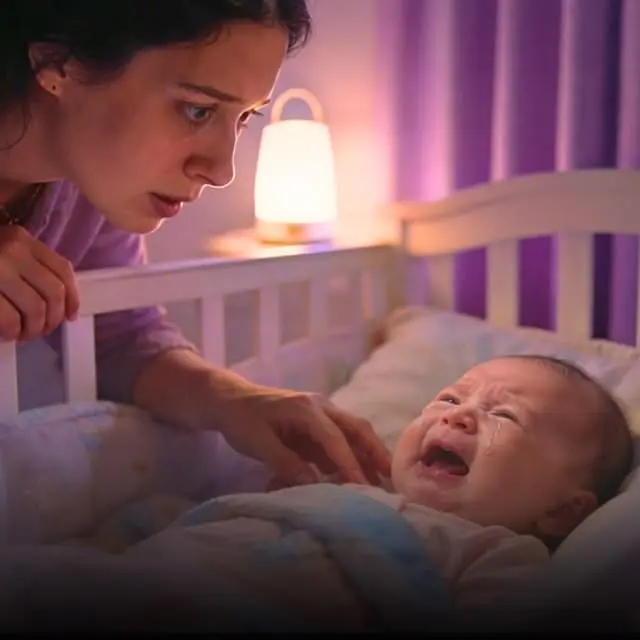
When kids keep waking up at night, parents start to question everything they do.
The good news: Most kids’ sleep problems have understandable causes — and small changes can often improve sleep for the whole family.
Why are sleep problems so common in children?
Parents often feel alone during sleepless nights, but sleep problems in children are very common, especially during the first few years.
Some children naturally wake up more than others. Some toddlers sleep soundly for one week and then suddenly wake up every hour the next. Sleep changes constantly throughout childhood as children grow emotionally, physically, and mentally.
A child’s sleep can also be affected by:
*Teething
*Hunger
*Illness
*Noise in the house
*Anxiety
*Changes in routine

In many homes, bedtime isn’t always calm and predictable. The TV is on late, family members visit rooms frequently, the lights are on, and children are overstimulated without anyone realizing it.
Then bedtime becomes a struggle.
Nighttime waking is common in young children.
Newborns and infants wake up frequently because their stomachs are small. They need to be fed and rested throughout the night.
As children grow, sleep timing usually becomes longer. However, temporary regressions in sleep occur during:
* Teething
* Growth spurts
* Learning to crawl or walk
* Vaccinations
* Illness
Parents sometimes think they are “failing” if their child continues to wake up at night after infancy. But sleep development is not exactly linear.
Some children fall asleep quickly at night. Others take longer.
Emotional needs also affect sleep.
Babies are little people with big emotions. Even young children experience:
*Fear
*Separation anxiety
*Overstimulation
*Need for rest
A child who is clingy during the day may also wake up more at night.
This is especially noticeable after:
*Starting daycare
*A new sibling is arriving
*Traveling
*Moving home
*Family stress
Sometimes babies just want reassurance. This emotional connection is more important than people realize.
Toddlers Waking Up at Night: The Most Common Causes
One of the most frustrating experiences for parents is when a toddler who was previously a good sleeper suddenly starts waking up at night again.
Parents usually think:
“Everything was fine last month… what happened now?”
The answer is usually a combination of habits, development, and environment.
Excessive fatigue
This one surprises many parents.
A toddler who skips naps or stays up too long may actually wake up more often at night. When children become overtired, their bodies release stress hormones that make it harder for them to fall into a deep, restful sleep.
Signs of overtiredness include:
* Hyperactivity before bedtime
* Crying easily
* Fighting during sleep
* Short naps
* Waking up frequently at night
Sleep associations.
Some toddlers only fall asleep when:
* Rocked

* Fed
* Watched cartoons
* Hold a parent’s hand
When they naturally wake up between sleep cycles at night, they seek out the same state again.
For example:
If a toddler falls asleep rocking, they may wake up fully expecting that same jolt to help them fall back asleep.
This does not mean that the parents are doing anything wrong. Most sleep habits develop naturally and unintentionally during the tiring early journey of parenting.
Hunger or poor dinner timing
Some children wake up because dinner was eaten too early or too late.
A balanced evening meal with:
*Protein
*Healthy fats
*Complex carbohydrates
…can help children feel fuller for longer.
Sweet snacks close to bedtime can also affect sleep quality.
Noise and shared family spaces.
Complete silence is almost impossible in shared family homes.
Late-night conversations, television noise, bright lights, or siblings coming in and out of the room can all disrupt children’s sleep.
Even adults struggle to sleep peacefully in noisy environments. Children are even more sensitive.
Why does my baby cry at night?
This question worries parents the most because watching a baby cry in their sleep can be frightening and emotionally overwhelming.
Sometimes babies may cry briefly as they transition between sleep cycles and then return to sleep on their own. Other times, crying can be a sign of distress, fear, or another need.
Understanding these patterns helps parents respond calmly rather than panicking.
Nightmares and Night Terrors
Nightmares usually occur later in the night. Children may wake up fully, cry, and seek comfort.
Night terrors vary.
A child may:
* scream loudly
* wake up suddenly
* appear awake but confused
* push parents away
* go back to sleep later
Night terrors often seem scary to parents, but are usually harmless.
They are more common when children are:
* overtired
* stressed
* sick
* sleep irregularly
Illness and discomfort
Even a minor illness can disrupt sleep.
Common causes include:
* Nasal congestion
* Fever
* Earache
* Teething pain
* Stomach ache
Some parents only notice illness because their child suddenly starts waking up frequently.
Separation anxiety
Young children often become emotionally attached to bedtime routines.
A child may wake up crying just to check:
“Is Mommy here?”
This stage is solidified around:
* 8-18 months
* Major changes in routine
* Travel
* Starting school
Gentle reassurance is usually more helpful than scolding.
Overstimulation before bed
Fast-paced cartoons, loud games, sugar, or screen time close to bedtime can keep a child’s mind very active.
Children may go to bed tired but wake up frequently because their sleep quality is poor.
Try replacing screen time with:
*Storytelling
* Dim lights
* Quiet cuddles
* Gentle conversation
Even just 20-30 minutes of quiet time before bed can make a noticeable difference.
How many times should a baby wake up at night?
This is one of the most frequently asked questions by parents, especially because many people start comparing their child’s sleep patterns with those of other children.
The truth is: normal sleep varies by age.
Here’s a simple guide.
| Newborn (0–3 months) | 2–5 times |
| Infant (4–12 months) | 1–3 times |
| Toddler (1–3 years) | Occasional waking |
| Preschooler | Usually sleeps through the night |
Some healthy babies still wake up more often than average.
The big questions are:
* Can they resettle?
* Are they growing well?
* Are they active during the day?
Children’s sleep problems are linked to routines.
Sleep routines play a strong role in how often children wake up during the night.
Babies feel more secure when their bedtime is consistent.
Helpful bedtime habits include:
* Same bedtime every day
* Low lights
* Quiet environment
* No heavy screen use
* Comfortable room temperature
Small routines tell the brain:
“Ab sone ka time hai.”
Sleep deprivation is temporary.
Many parents become discouraged after a sudden loss of progress.
A child who has slept beautifully for weeks may suddenly start:
* Frequent waking
* Excessive crying
* Fighting naps
Sleep deprivation usually occurs during:
* Learning milestones
* Teething
* Illness
* Emotional changes
Most stages improve within days or weeks.
Does co-sleeping cause sleep problems?
Not necessarily.
Some families sleep soundly and comfortably. Others find that it disrupts the entire family’s sleep.
Everyone
The important thing is to carefully consider whether current sleeping arrangements are helping or hindering rest for both parents and the baby.
There is no one “perfect” method that will work for every family.
Simple Ways to Reduce Children’s Sleep Disturbances
Parents often look for quick fixes, but sleep usually improves with small, consistent habits.
Small adjustments can make surprisingly big improvements over time.
Establish a predictable bedtime routine.
Children thrive on predictability.
A simple routine might include:
1. Bath
2. Pajamas
3. Milk
4. Story time
5. Bed
Routine doesn’t have to be fancy. Consistency is more important.
Watch for daytime sleep.
Too much daytime sleepiness can affect nighttime sleep in older children.
Too little sleep can also disrupt sleep at night.
Finding the right balance takes trial and error.
Reduce stimulation before bed.
Try to limit:
* Loud TV
* Bright screens
* Sugary snacks
* Rough play
The brain needs time to slow down before sleep.
Create a room that is suitable for sleeping.
Helpful changes include:
* Dim lighting
* Comfortable temperature
* Low noise
* Soft bedding
Even a small night light can help children who are afraid of the dark.
Respond calmly during wakefulness.
Children often mirror their parents’ emotions, so when parents are calm, children usually feel more secure and also resolve more easily.
If parents react with panic, frustration, or anger, children may become more anxious.
A calm tone, brief reassurance, and minimal stimulation help children fall asleep faster.
Improvement in sleep rarely happens overnight. Some nights will still feel tiring. But gradual consistency usually works better than drastic changes.
—
When to see a doctor
Most children’s sleep problems improve with routine changes and time. Still, some symptoms should never be ignored.
Talk to your pediatrician if your child:
* Regularly snores loudly
* Stops breathing briefly during sleep
* Wakes up gasping for breath
* Has frequent nightmares
* Seems very tired during the day
* Often sleeps unusually late
* Has poor growth
* Often complains of leg pain
* Wakes up screaming every night
* Shows sudden changes in behavior
Red Flags in Children
Seek immediate medical attention if your child’s nighttime waking is accompanied by:
* Fever
* Difficulty breathing
* Poor feeding
* Vomiting
* Extreme irritability
* Blue lips
Parents know their child best. Trust that instinct if something feels out of the ordinary.
Sometimes sleep disturbances are associated with:
- *Allergies.
*Ear infections.
*Difficulty breathing.
*Reflux.
*Anxiety. - A doctor can help you find the root cause of your child’s sleep problems, so parents don’t have to feel unnecessary guilt or self-blame.
- And honestly? Sleep-deprived parents deserve help, too. Chronic fatigue affects mood, patience, and mental health more than people realize
Frequently Asked Questions
If your baby is waking up frequently at night, you’re definitely not alone. Many parents struggle with sleep deprivation while smiling through the day as if everything is fine.
This phase can feel endless when you’re exhausted, but babies’ sleep is constantly changing. One rough month doesn’t define your or your baby’s future sleep habits.
Take small steps, be consistent, and give yourself grace. A little consistency and a lot of patience really do go a long way.
Disclaimer: This article is for informational purposes only. Always consult your pediatrician or healthcare provider for personalized medical advice.
Disclaimer: This article is for informational and educational purposes only and is not intended as medical, psychological, or nutritional advice, diagnosis, or treatment. Every child, body, and pregnancy is different — please consult your pediatrician, doctor, or a qualified healthcare provider for advice specific to your situation.