
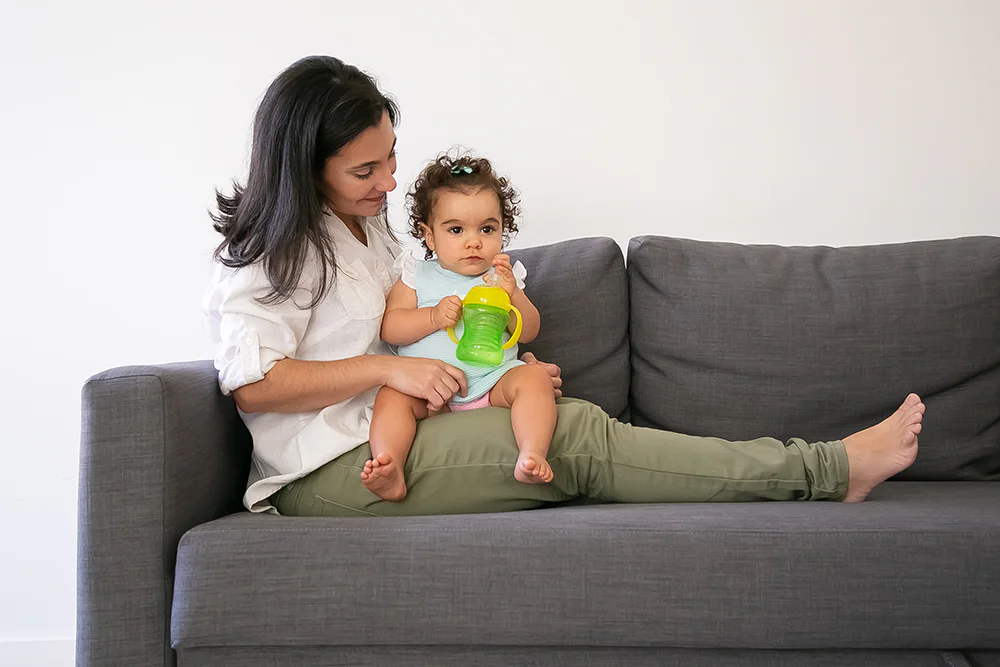
Early learning behaviour may also be frustrating to new parents especially when the tantrums of the toddler start before the second birthday. This is a stage that many families in Pakistan undergo as children develop and respond aggressively to the challenges they face on a daily basis. Learning the reason behind these behaviours and how to handle them with calmness assists parents in ensuring that there is a normal environment. This guide has clear steps, handy tools and professional knowledge that may be used in the Pakistani context of parenting.
What Are Early Toddler Tantrums?
Early toddler tantrums initiate when a child continues teaching emotional power. Language is not developed at this age and emotions are strong. Toddlers behave in this way because they are not able to voice their frustration or needs. Such behaviours can be crying, shouting, throwing things or lying flat on the floor. Even though this is a difficult phase, it is a common emotional development.
Children rely on their caregivers to provide support, routine and comfort. In the event that toddlers fail to figure out how to deal with intense emotions, they end up discharging tension by acting abruptly. These episodes should be perceived as signals of communication by parents instead of intentional disobedience. Realizing this early stage helps in dealing with toddler tantrums in a composed way.

When Do Tantrums Start?
In most cases, tantrums can start at the age of 12-18 months. It is the phase when a child desires to have independence but has no emotional and linguistic abilities to cope with choices. Early toddler tantrums manifest through behavior where the child puts tests to extremes and responds violently to boundaries. In the case of many children, this stage lasts until 3 years old and evolves as per temperament and routine.
In Pakistan, this stage may be influenced by busy households, schedules and the number of caregivers who are not regular. The question many parents would pose is when tantrums start and knowing this age bracket would make them remain calm and react with confidence.
Tantrum vs Meltdown in Toddlers
A tantrum happens when a child wants attention, an object or control over a situation. During toddler tantrums, the child may look around to see who is watching. These behaviours are intentional and often stop once the child gets a reaction. Understanding this pattern allows parents to set calm and consistent limits.
A meltdown is different. It occurs when a child becomes overwhelmed and cannot manage emotions. Many parents become concerned about toddler crying tantrums, but meltdowns are not deliberate. The child feels overloaded by noise, movement or internal stress and cannot focus or respond. In these moments, comfort and patience work better than correction.
Signs of Normal vs Concerning Tantrums
Normal tantrums take a couple of minutes and subside. Once the child calms down, he/she will resume normal behaviour. When the toddler tantrums are common, severe or prolonged, a greater difficulty may be signaled. Such patterns may also involve hitting, self destruction or excessive frustration.
Parents are expected to monitor patterns and triggers, in case these behaviours get more frequent, rather than get better, or when the child seems stressed throughout the day. The way of dealing with tantrums in toddlers is not easy to follow without guidance in certain cases. Professional assistance can be required in case of behaviour in terms of daily routine or emotional growth.
Why Toddlers Under 2 Have Temper Tantrums
The growth of emotions is early. Small children (below 2 years old) have large emotions but a weak ability to control them. Regulation and problem solving are the skills that their brain is yet to acquire. A lot of toddlers temper tantrums initiated due to frustration, unfulfilled needs or an abrupt change.
Parents ought to know that toddlers are unable to think rationally at such times. The emotional brain is activated, and the thinking brain is shut off. This complicates the teaching of a child on how to manage toddler tantrums. Soft direction, and serene assistance would contribute to less emotional load.
Common Triggers at 12–24 Months
Toddlers at this age often experience toddler tantrums during everyday situations like transitions, attention shifts, or changes in routine. Their growing desire for independence clashes with their limited understanding of limits, which can lead to loud or emotional reactions.
Sometimes, children throw a tantrum when exposed to unfamiliar people or loud environments. These reactions are a normal way for toddlers to express discomfort or frustration when they feel restricted.
In Pakistan, family dynamics can influence how often these reactions occur. Large family gatherings, frequent visitors, and overstimulating environments may increase stress for small children, making it important for parents to recognize potential triggers early.
Hunger, Tiredness and Overstimulation
Hunger is one of the most frequently occurring causes of toddler tantrums. Children below the age of 2 years are known to be subjective to regular schedules of meals, and when these schedules are distorted they soon become emotionally unstable and irritable.
Another significant cause is tiredness. In cases where the toddlers are highly exhausted, they will throw a tantrum due to minor frustrations. These emotional outbursts can be reduced by ensuring that naps and bedtime routines are done regularly.
In a saturated market, noisy household, congested streets or during a party, overstimulation may occur. Children cannot process an excess of information at any time and when they do, they might have a meltdown in order to release their frustrations. Avoidable stress can be avoided by simply managing the environment and providing the toddler with peaceful places.
How to Handle Toddler Tantrums Calmly
Handling toddler tantrums in a calm manner will minimize the tantrums and will teach the children to be safe in feelings. Parents are supposed to speak in short and clear sentences and in a calm manner. The behavioral modeling of relaxed demeanor demonstrates to children how to control their emotions and develops trust in the long run.

The initial one is observing instead of responding. Determine whether the child is starving, fatigued, or overstimulated, which tends to cause 2 yr old tantrums. Knowledge of the cause would assist parents in responding sufficiently instead of intensifying the circumstances.
The next step is to stay close. The children should be reassured and given a feeling of safety. Lastly, lead behavior through simple, concise directions. This technique assists the toddlers learn how to handle temper tantrums in a secure and conducive manner.
How to Deal With Hitting, Throwing or Biting
Banging, throwing and biting are frequent occurrences whereby a child is unable to communicate frustration. An immediate but calm response of parents is expected. Grab the hand of the kid and tell him that hands serve to touch. If they toss things, take them out and redirect them to another safe thing. Such interventions can also minimize child tantrum behavior before they become unmanageable.
Children are taught by learning through repetition. Regular boundaries aid in the establishment of foreseeable and secure boundaries. One is not to yell, as that will make them more scared and more serious in their temper tantrums, which will be more difficult for toddlers to cope with.
It helps to divert the child into a relaxing activity. Bring in a toy that is soft, take them to a quiet place, or assist them to interact with simple objects. Such calming options will avoid a child’s meltdown and help them regulate their emotions.
How to Control Toddler Tantrums in Public
The social pressure and glaring eyes of parents in Pakistan make public situations likely to provoke toddler tantrums. It is important to remain cool, concentrate on your child rather than the audience. Keep a small comfort kit to carry in the bag with simple things such as a snack, water or a favorite toy to provide instant comfort.
In case the tantrum persists, then shift the child to a more peaceful place. Children may be bombarded by loud markets, busy malls as well as crowded streets and throw a tantrum. Giving them in your arms, putting them in a stroller or making less noise helps to minimize sensory overload.
Bargaining or giving ad-hoc rewards at such times should be avoided because this encourages undesired behaviour. It is best to stick to routines when outing the child to know what to expect, leading to preventing future 2 yr old tantrums.
How to Respond to Extreme Tantrums
A child will become violent when he or she is completely overwhelmed. Extreme tantrums in 2 year olds in such incidents may include screaming, ground fall or refusal to be comforted. Watch your distance, speak softly and not bargain. The moment your child starts to relax, console her/him by rubbing the fingers, or staring at her/his eyes.
They may also have emotional flooding and other children need some quiet time before they can be detached again. After they have calmed down, make them choose where to go or get into a routine. This will help to reduce toddlers crying among toddlers and even control emotions without the extra burden.
Mistakes Parents Make That Make Tantrums Worse
*A Range of Responses*: not all reactions help in calming a child, some reactions foster even more temper tantrums. Shouting at a child in a tantrum state increases their stress. Giving in to a child’s cries and or tantrums reinforces that behavior and encourages them more. Ignoring a child for a long period of time can create insecurity and fear. Helpful tips for lowering emotional outbursts of this nature are calm and consistent reactions.
**Another common occurrence within this state of crying/tantrums is giving a child too many choices. ** Toddlers are at a stage of needing to be given clear and simple instructions. Children can be overwhelmed by too many choices and instructions. Uniformity in parents and caregivers prevents confusion and minimizes frustration, lowering the chances of 18 month old tantrums becoming frequent.
How to Prevent Tantrums Before Age 2
Prevention reduces daily stress. It helps children develop emotional skills. Prevention strategies rely on routines, predictability and connection. When children feel secure, they show fewer toddler tantrums and recover faster from emotional challenges.
Daily Routines for Fewer Tantrums
Having a dependable sequence of daily activities soothes and composes a toddler tantrum’s emotions—meal times, naps, and nighttimes should be at the same time and in the same order every day. Mornings and evenings should be consistent and predictable, (getting out toys should be scheduled and organized in a calm zone), and limit exposure to screens, to avoid overstimulating the child.
Toddlers also appreciate and respond well to being told in advance what is going to be happening next. In order to decrease the likelihood of a child throwing a tantrum, let the child know what is happening at the time of transition to avoid having to deal with the anxiety that they might be feeling, as well as to lower the overall anxiety in the situation.
Connection Before Correction
Connection breeds trust, and children act more appropriately when they feel responded to and understood. All it takes is 5 minutes a day of one-on-one play to experience more bonding, joy and fewer child tantrums. Follow the child’s lead and respond with short, gentle phrases to direct behaviour. At the start of a tantrum, focus on connection rather than correction.
Then, when the child is secure and calm, one can shape behaviour by using gentle correction. Over time, this method dampens the magnitude of toddler tantrums and strengthens self-regulation as children learn to express their emotions in a healthy way.
When to Worry About Toddler Temper Tantrums?
Red Flags in Toddlers Under Age 2
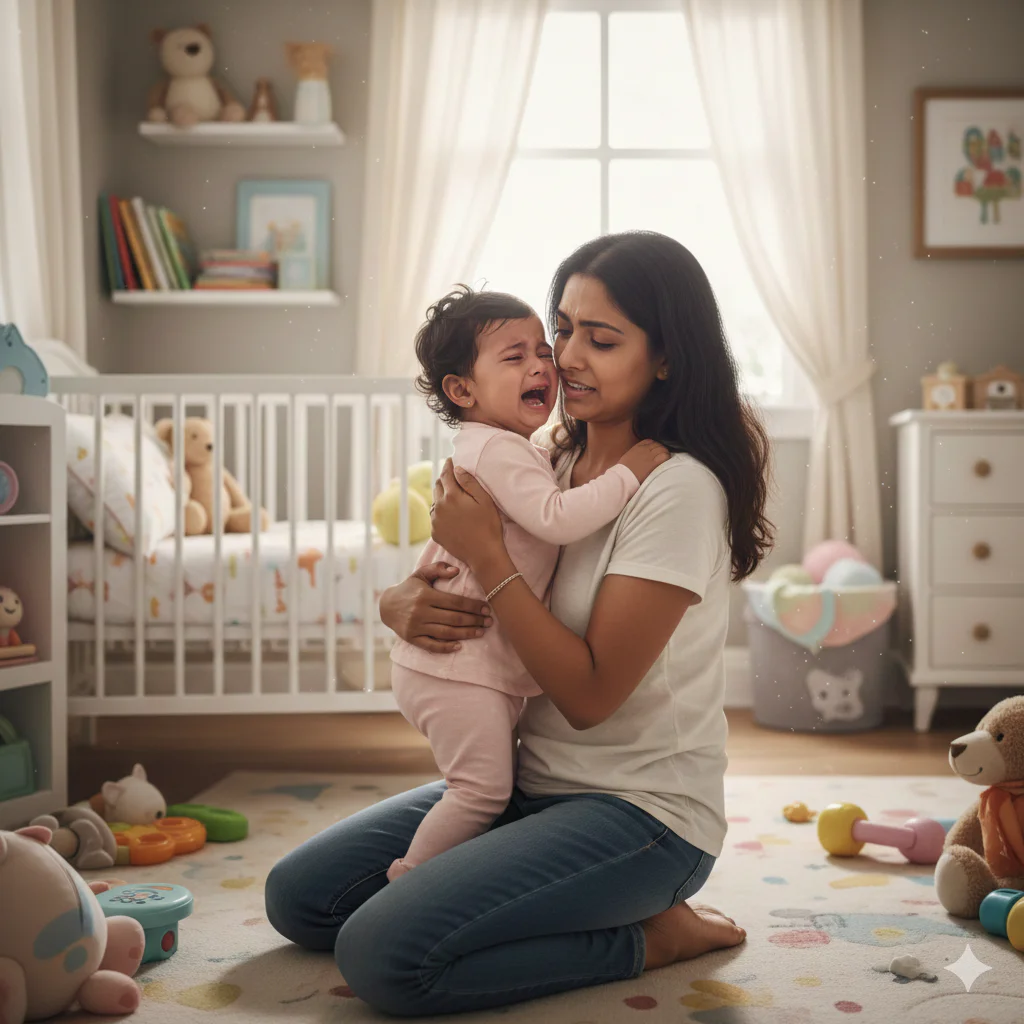
Some red flags that would stir more concern are if the toddler tantrums are an hour, or 45 minutes, or even still over a half hour longer, self-injury, aggression that is constant and doesn’t stop at all), no speech loss may not be flexible rule but it may be based upon social skills path which has guidelines ( Which means using Idiosyncratic communication tics) or extremely restrictive eye contact. Symptoms can be signs of sensory processing issues or developmental delays.
The second situation is when the child is not soothed often enough. Though if the toddler crying seems increasingly irritable or disconnected, you should get things checked.
Signs You Should Talk to a Doctor or Therapist
If temper tantrums become more intense over time, or if the child exhibits signs of severe anxiety, hypersensitivity, or behavioural regression, then getting help from a pediatrician or a child development specialist is a good idea. Parental guidance at an early stage gives parents insight into the emotional growth of their child and the setting up of healthy habits.Furthermore, a professional assessment may aid children who struggle with speech or show little interest in social activities. Starting intervention early not only facilitates emotional regulation but also makes the occurrences of toddler crying less frequent, thus, helping the gradual improvement of behaviour patterns.



Pingback: Why Your Child Won't Let You Go: The Secret Behind Clinginess