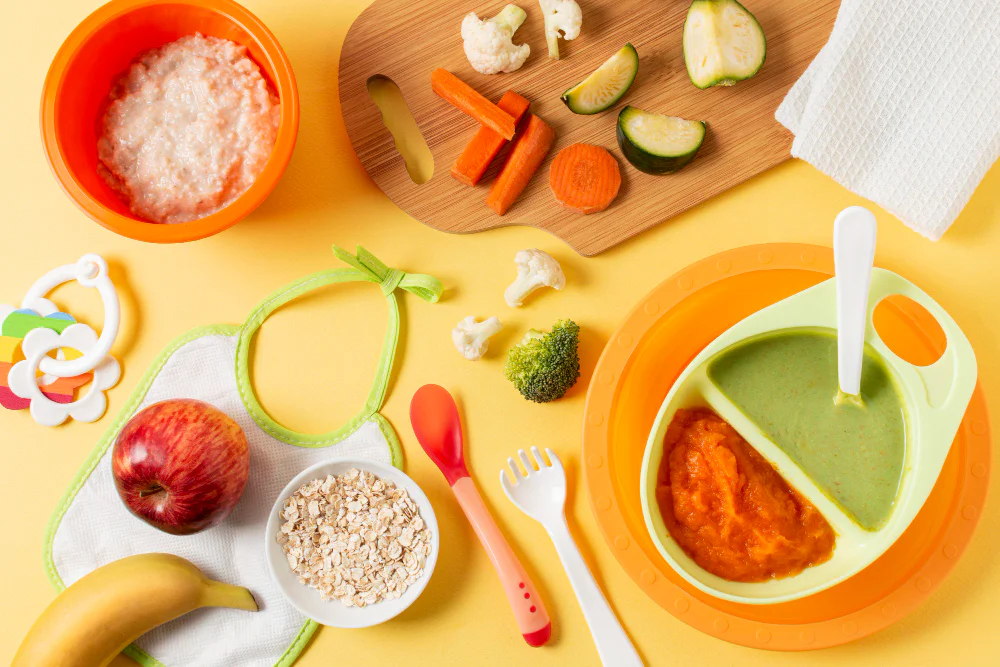
Starting to use utensils is a step for your baby as they learn to feed themselves. Every baby is different. They are ready at different times. Some babies might start trying to use utensils around 8 to 9 months while others might take a bit longer.
It is really important to look for signs that your baby’s ready instead of just going by their age. This way you can be sure that your baby can safely use utensils, improve their hand-eye coordination and become more independent when eating.
“Bachay ki developmental readiness ko dekhna, sirf age par depend karne se behtar hai.”
Why Watching for Signs Is Important
If you give your baby utensils before they are ready it can be frustrating for them. They might make a mess or refuse to eat. There are some reasons to watch for signs that your baby is ready:
- Motor skills readiness is important. Your baby needs hand-eye coordination and grip strength.
- Safety is another reason. You want to prevent choking and spills.
- Using utensils can also help build your baby’s confidence as they learn to feed themselves and become more independent.
Key Signs Your Baby Is Ready to Use Utensils
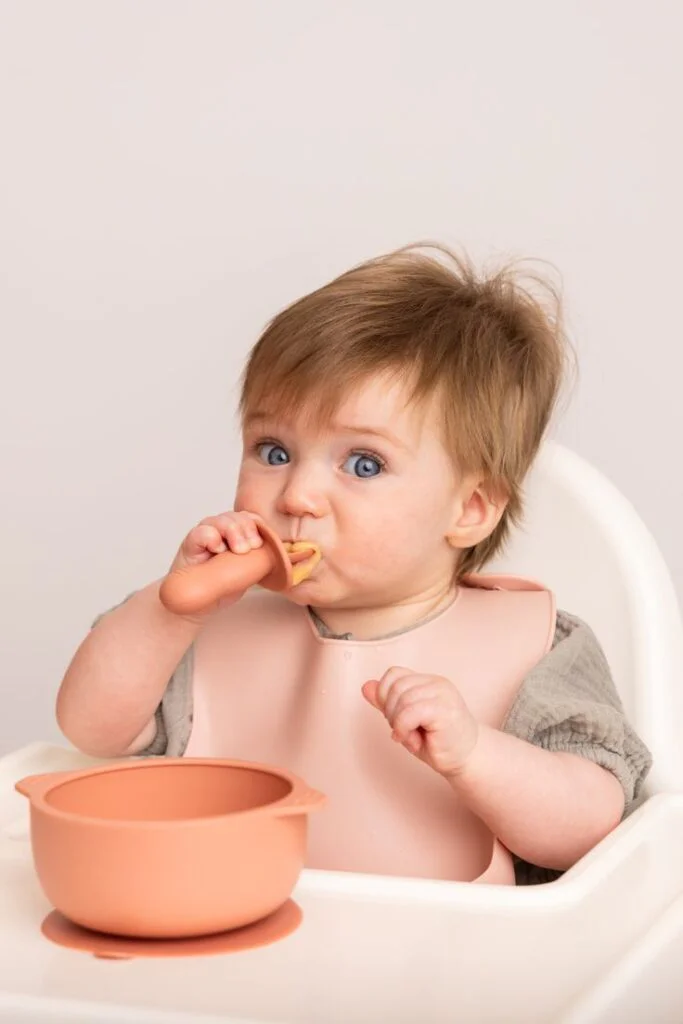
1. Can Sit Upright Independently
Your baby should be able to sit in a chair without needing a lot of support. When they can sit up straight they can control their hands and arms better while they are eating.
2. Shows Interest in Self-Feeding
If your baby is reaching for food on your plate or trying to copy you eating with their fingers or a spoon it is a sign.
3. Develops Pincer Grip
When your baby can pick up things between their thumb and forefinger it means they are developing the fine motor skills needed to hold a spoon or fork.
4. Brings Objects to Mouth
If your baby is practicing moving toys or their fingers to their mouth they are building the coordination they need to use utensils.
5. Can Mash Food with Gums
This shows that your baby can handle textures before you add the complexity of using utensils. It is a sign that they can manage semi-solid foods like mashed banana or dal.
How to Introduce Utensils Safely
Start with Soft, Easy-to-Scoop Foods
You can start with fruits, thick purees or soft dal. Avoid giving your baby small foods that could be a choking hazard.
Use Baby-Friendly Utensils
Choose tipped spoons and forks with lightweight handles that are designed for small hands.
Encourage, Don’t Force
Let your baby try to use utensils without putting much pressure on them. Making a mess is part of the learning process.
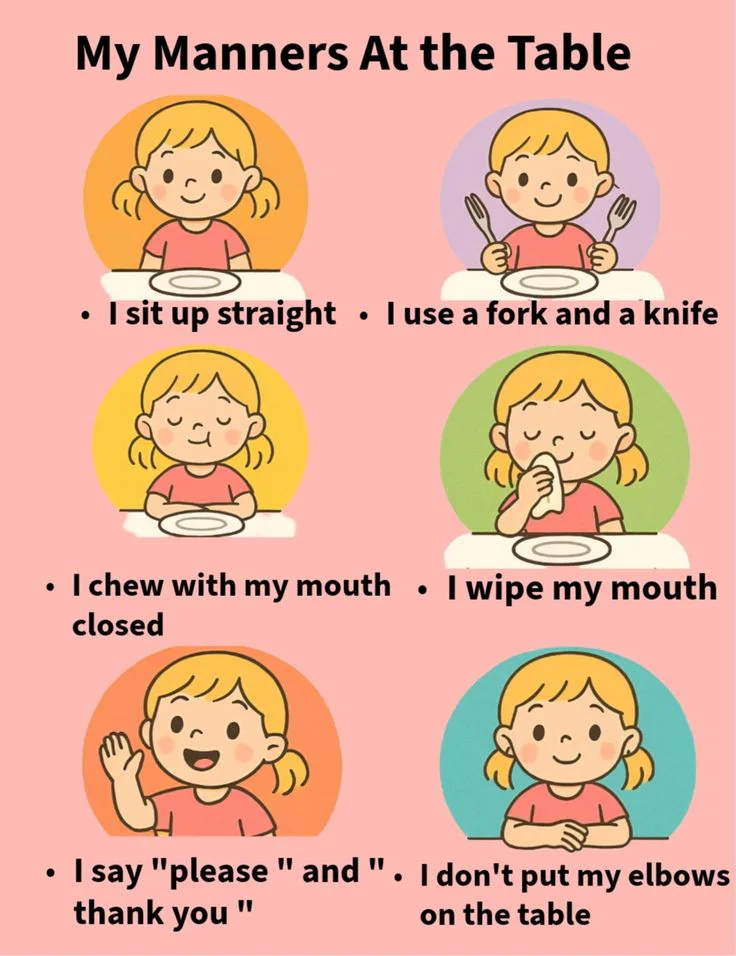
Model Eating Behavior
Eat with your baby. Show them how to scoop up food and bring it to their mouth.
Check our blog on “Signs Your Baby Is Ready for Solids”.
Common Mistakes to Avoid
- Introducing utensils early can frustrate your baby or make them refuse to eat.
- Expecting your baby to use utensils perfectly from the start is not realistic. Spills and messes are normal.
- Not giving your baby finger foods can slow down their development. Using utensils and finger foods together helps improve their coordination.
“Bachay ko spoon use karne ka pressure dena unki self-feeding skills ko negatively affect kar sakta hai.”
Recommended Age Range
Many babies are ready to start using utensils between 8 to 12 months. But every baby is different. It is more important to look for signs of readiness rather than just going by age.
Tips for Pakistani Parents
- Be patient. Expect some mess and spills.
- Give your baby finger foods along with utensils to help them develop their coordination.
- Have family-style meals so your baby can learn by watching.
- Introduce one utensil at a time. Start with a spoon then add a fork.
When to Consult a Pediatrician
If your baby is having trouble coordinating their movements or is struggling to bring food to their mouth you should talk to a pediatrician. If you are worried about any delays in their motor skills or feeding development it is best to get advice.
Key Takeaways
- Watch for signs that your baby’s ready for utensils like good motor skills, interest in self-feeding and coordination rather than just going by their age.
- Start with foods and baby-friendly utensils.
- Encourage your baby to be independent. Be prepared for messes.
- Use utensils and finger foods to help your baby develop their skills better.
- If you have any concerns about your baby’s feeding or motor skills consult a pediatrician.