Every parent wants to know when to start giving their baby food. Most of the time people think it is 6 months.. Every baby is different and grows at their own pace. If you only think about the age it can be frustrating for both parents and the baby. It is better to look at how your baby’s developing and what signs they are showing that they are ready for solid foods.
In Pakistan people often give advice about what to feed your baby. This can be confusing. This guide will help you figure out when your baby is ready for foods and how to introduce them safely.
“Bachay ki growth aur readiness ko samajhna, sirf age se zyada important hai.”
Why Age Is Not the Thing That Matters
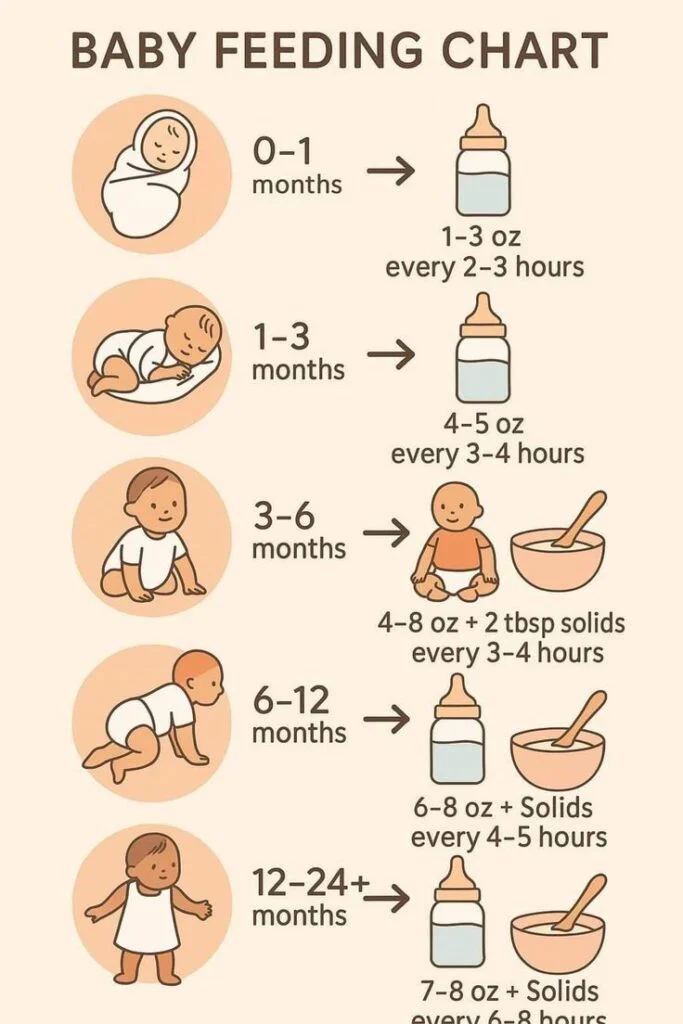
Doctors say that babies should start eating solid foods around 6 months.. Some babies might be ready a little earlier or later. Here are some reasons why you should look at the signs of just the age:
Babies grow at different rates. Some babies get strong neck muscles or learn to control their tongues faster than others.
To eat foods babies need to have good motor skills. They need to be able to sit up and swallow food.
If you start giving your baby foods too early they might gag or refuse to eat.
Here are some things to remember:
your baby ready for solids signs baby ready for foods and introducing solids to baby.
Signs Your Baby Is Ready for Solids
Here are some things to look for:
1. Good Head and Neck Control
If your baby can sit up with help and hold their head steady they can swallow food safely.
2. Shows Interest in Food
If your baby reaches for your food or opens their mouth when you offer them some they are showing interest.
If your baby watches you eat they are probably ready to start eating foods.
3. Diminished Tongue-Thrust Reflex
Babies have a reflex that makes them push food out of their mouths. When this reflex goes away it is easier for them to eat foods.
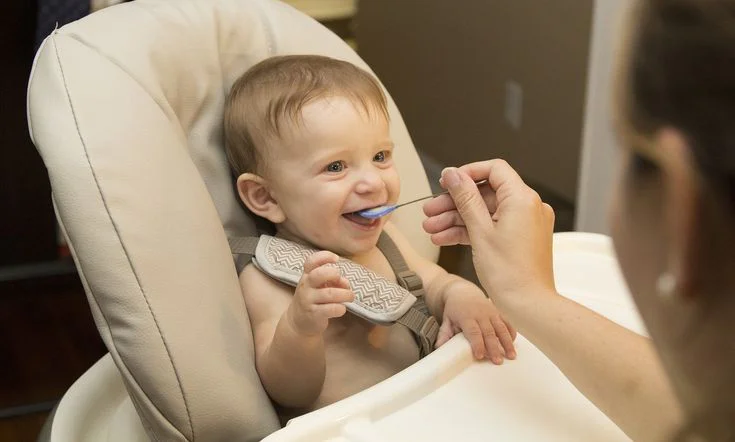
4. Can Sit Upright with Support
If your baby can sit up in a chair or on your lap they are probably ready for solid foods.
This can help prevent choking.
5. Can Communicate Hunger and Fullness
If your baby turns their head away or refuses food when they are full they are showing you that they are full.
If your baby opens their mouth or leans forward when they are hungry they are showing you that they want to eat.
“Bachay ki feeding cues observe karna, unko solids dene ka sabse hissa hai.”
How to Introduce Solids
Start with Small Soft Portions
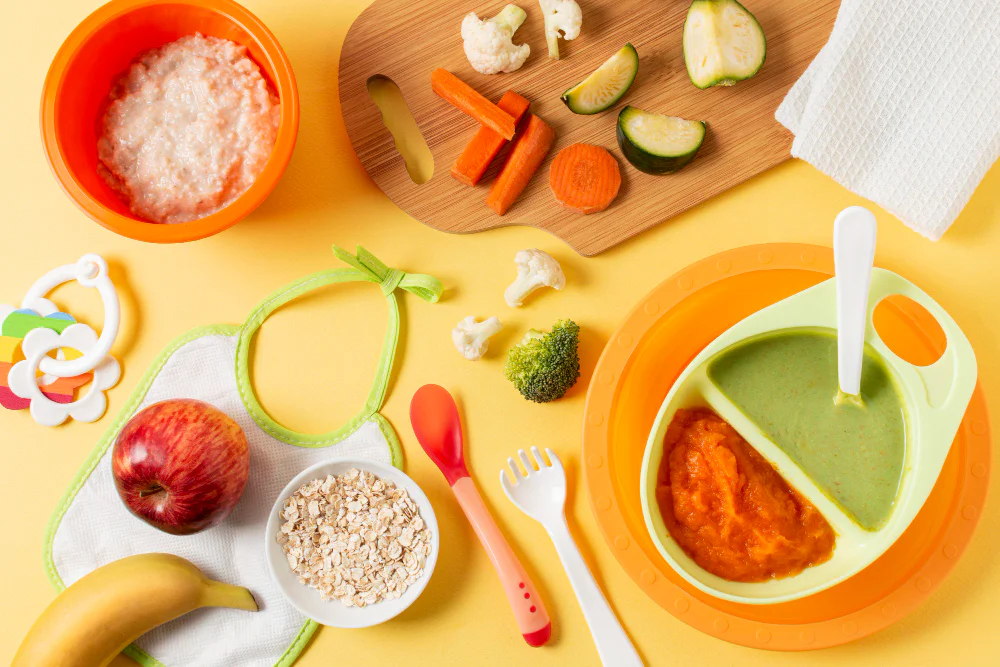
Give your baby pureed fruits and vegetables like mashed banana, carrot or pumpkin.
Do not add salt, sugar or spices at first.
One Food at a Time
Introduce one food every 3-5 days to see if your baby is allergic.
Watch for Allergic Reactions
If your baby gets a rash, has diarrhea or vomits they might be allergic to something.
Some common foods that cause allergies in Pakistan are eggs, fish and peanuts.
Encourage Self-Feeding Slowly
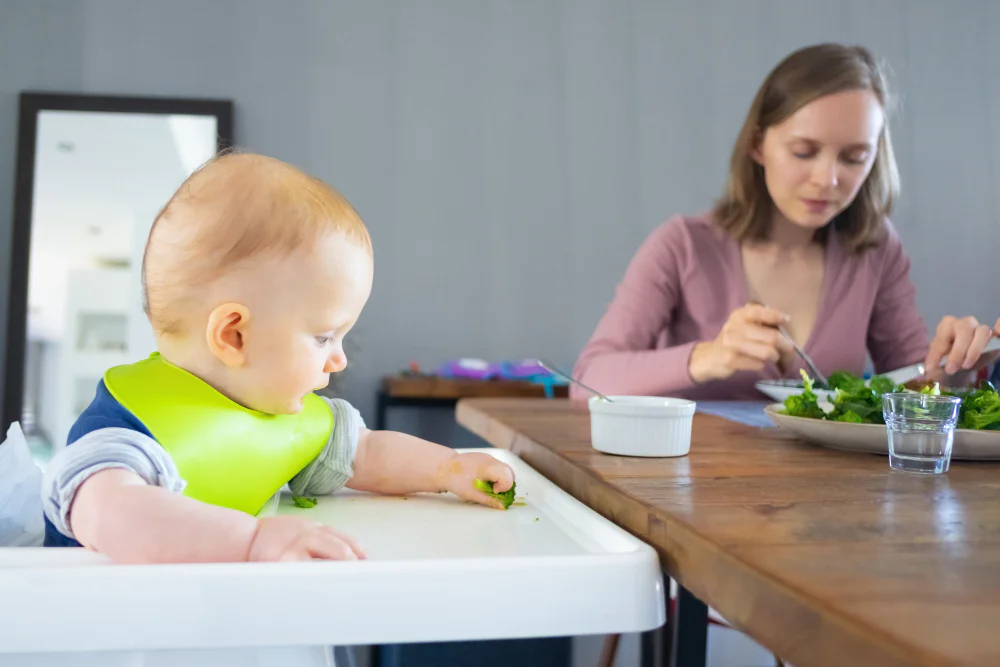
When your baby is ready, give them finger foods.
This helps them develop motor skills and become independent.
You can also read about [“Baby-Led Weaning vs Traditional Weaning: Which Is Better?”] to learn more.
Mistakes Parents Make in Pakistan
Introducing Solids Too Early
Some parents start giving their babies food before they are 4 months old because of what other people say.
This can cause problems or make breastfeeding harder.
Relying on Age
Just because your baby is a certain age it does not mean they are ready for solid foods.
Forcing Food
If you force your baby to eat they might not want to eat
Respect your baby’s appetite and signs.
:
“Bachay ko force karke khana khilana unki feeding skills aur interest ko negatively affect karta hai.”
Recommended First Foods for Babies in Pakistan
Fruits and Vegetables
Give your baby banana, papaya, apple (steamed and mashed) carrot or pumpkin.
Cereals and Grains
Give your baby iron-fortified rice or wheat cereals mixed with breastmilk or formula.
Proteins
Give your baby lentils, dal or plain yogurt.
You can introduce eggs and fish gradually after 6-7 months.
You can also read about Signs Your Baby Is Ready to Use Utensils to learn more about how to help your baby progress from pureed foods to eating on their own.
Tips for Pakistani Parents
Keep Breastfeeding or Formula: Continue giving your baby breastmilk or formula along with foods to meet their nutritional needs.
Avoid Honey Before 1 Year: There is a risk of botulism.
Serve Small Portions: Overfeeding can cause discomfort.
Stay Patient: It might take a try before your baby gets used to a new food.
When to Consult a Pediatrician
If your baby has trouble swallowing or gags a lot you should talk to a doctor.
If your baby is allergic to foods you should talk to a doctor.
If you are worried about your baby’s growth or nutrition you should talk to a doctor.
Key Takeaways
Age is just a guide. Look for signs that your baby’s ready for solid foods.
Good head control, interest in food and a diminished tongue-thrust reflex are all signs.
Introduce foods slowly, safely and one food, at a time.
Respect your baby’s signs to avoid stress and frustration.
If you notice any reactions or feeding difficulties talk to a pediatrician.