

What is Low Milk Supply?
Low milk supply, also known as hypolactation, is when a mother does not produce enough breast milk for her baby to grow and get the nutrients they need. Many new mothers worry about this. The truth is, it is not as common as people think. Most mothers actually produce milk but they might misinterpret some signs or face some temporary challenges that affect how their baby feeds.
Still some mothers really do have milk supply. 15% Of first-time mothers have low supply in the early weeks after giving birth and this is often because of things that can be prevented or managed. So if you are struggling with this you are not alone. The good news is that it can often be fixed.
Breastfeeding is not something that happens in your body, it is also about how you and your baby interact with each other. Your body makes milk based on how well your baby feeds. If this cycle gets disrupted your milk production can decrease. It is like a factory. If the demand for something goes down the factory will make less of it.
Understanding how this works is the step to solving the problem. Of getting worried it is better to try to figure out what is really going on.
Perceived vs Actual Low Milk Supply
Something that might surprise you is that many mothers who think they have milk supply actually do not. This is called perceived milk supply. It is very common. Can cause a lot of unnecessary stress and worry.
For example if your breasts feel softer or if your baby feeds for periods it might seem like a problem but it is often just your body adjusting to your baby’s needs. And if your baby feeds a lot it does not always mean they are hungry. It could just be that they are cluster feeding, which’s a natural way for babies to increase their mothers milk supply.

On the other hand if your baby is really not getting enough milk you will see clear signs like poor weight gain, fewer wet diapers or if your baby is very sleepy. That is why it is so important not to assume you have low milk supply without looking at the facts.
Understanding the difference between what you think is happening and what is really happening can save you a lot of worry. Sometimes the problem is not your milk. It is just that you are misunderstanding how breastfeeding works.
Signs You May Have Low Milk Supply
Common Symptoms in Babies
Your baby is the way to tell if you have enough milk. If your supply is really low your baby will show you some signs that you can measure.
Some key signs include:
* weight gain or weight loss
* Than 6 wet diapers per day after the first week
* If your baby is very sleepy or lethargic
* If your baby is not sucking well or not swallowing
Experts say that looking at your baby’s diapers is one of the ways to tell if they are getting enough milk. A fed baby will have many wet and dirty diapers every day, which shows that they are getting enough to eat.
When you see these signs together it is time to do something. But do not jump to conclusions based on one sign. You need to look at the whole picture.
Misleading Signs Mothers Misinterpret
Many normal changes that happen when you are breastfeeding can be mistaken for milk supply. This can cause a lot of anxiety. Might even make you stop breastfeeding too early.
For example:
* If your breasts feel softer over time
* If your baby feeds often
* If your baby feeds for periods
These are actually signs that your body is getting better at making milk, not worse. Breastfeeding changes as your baby grows and your milk production will adjust to what your baby needs.
Understanding these ” alarms” can help you feel more confident and make decisions based on facts, not fear.
Main Causes of Milk Supply
Feeding & Latching Issues
One of the most common reasons for low milk supply is if your baby is not latching on correctly. If your baby is not removing milk from your breast your body will make less milk.
If you have a latch or if you are feeding your baby on a schedule instead of when they are hungry or if your baby is not feeding for long enough all of these things can decrease your milk production. In fact if your baby is not removing milk often or effectively enough it is one of the reasons for low milk supply.
Think of it like trying to empty a tank with a blocked pipe. It just will not work well. The same thing happens with breastfeeding.
Medical & Hormonal Causes
Sometimes the problem is not about how you are feeding your baby but about your health. Some medical conditions like:
* Polycystic Ovary Syndrome (PCOS)
* Hypothyroidism
* Hormonal imbalances
* If you have had surgery on your breasts
can affect how milk you make.
In some cases about 5% of mothers have a problem called primary lactation insufficiency, which means their breasts do not have enough glandular tissue to make milk. These cases need help and sometimes medical treatment.
Lifestyle & Emotional Factors
Stress, tiredness and lack of confidence can really affect your milk supply. It might seem surprising. Your mental state has a big impact on your breastfeeding.
Things like:
* Not getting sleep
* Being anxious
* Not eating well
* Smoking or drinking alcohol
can interfere with the hormones that help you make milk.
Your body is not just physical. It is also emotional. If you are stressed it can slow down your milk production.
Baby-Related Causes
Sometimes the problem is not with the mother. With the baby. Babies might have trouble with:
* Tongue-tie
* Being premature
* Not sucking well
These things can prevent the baby from getting milk, which can decrease the mothers milk supply over time.
Breastfeeding is a two-way relationship. If one side is having trouble it affects the thing.
Insight: How Milk Production Works
Supply and Demand Mechanism
Making breast milk works on a simple principle: the more milk that is removed the more your body will make.
This means:
* If you feed your baby often you will make milk
* If you do not feed your baby often you will make milk
It is like a business. If people are not buying something the company will make less of it.. If people are buying a lot the company will make more.
Understanding this is the key to solving any problems. Every good solution is based on increasing how often you feed your baby and how much milk is removed.
Proven Solutions to Increase Milk Supply
Improve Breastfeeding Technique
Fixing latch issues is often the way to improve your milk supply. If your baby is latched on deeply and comfortably they can remove milk effectively which will stimulate your body to make milk.
Working with a lactation consultant can make a difference. Even small changes can lead to improvements in just a few days.
Increase Feeding Frequency
Feeding your baby 8-12 times per day is important in the first few weeks. Feeding your baby at night is also important because that is when your body makes the milk.
If you skip feeds or follow a schedule it can decrease your milk supply. Instead feed your baby when they are hungry.
Pumping Strategies
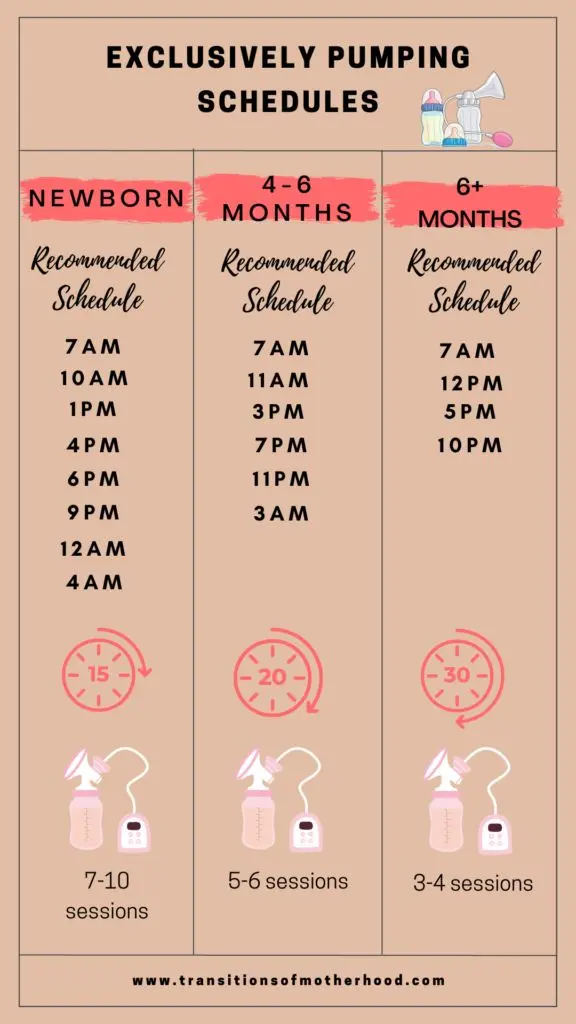
Pumping can help increase your milk supply especially if your baby is not feeding well. Techniques like power pumping can mimic cluster feeding. Signal your body to make more milk.
It is all about being consistent. Pumping after feeds or between sessions can increase your milk production.
Hydration Tips
Your body needs food to make milk. Focus on:
* Eating meals
* Getting protein
* Drinking plenty of fluids
While there is no food that will definitely increase your milk supply, eating well will support your overall health and help you make milk.
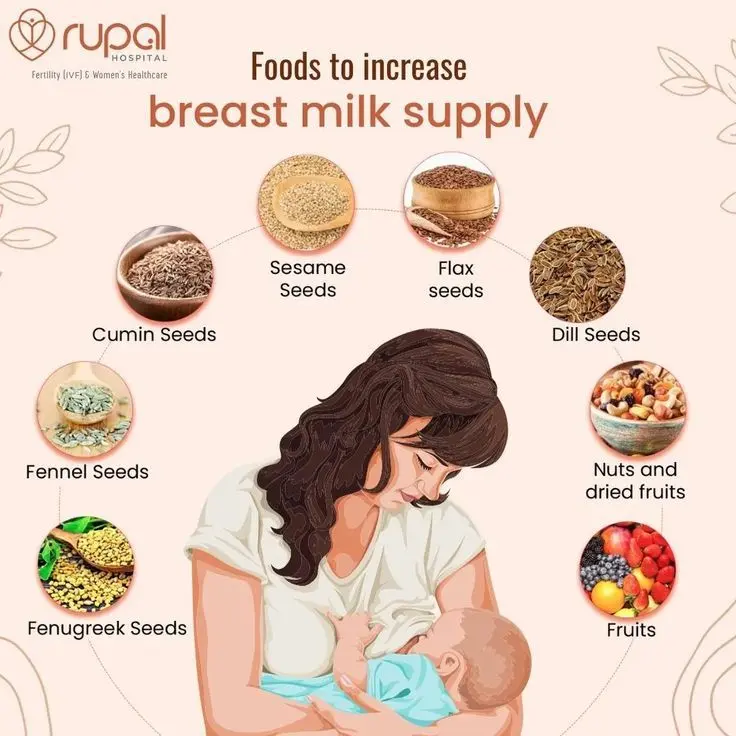
Foods & Natural Remedies, for Milk Supply
Lactogenic Foods (Galactagogues)
Some foods called galactagogues might help support milk production. These include:
* Fenugreek
* Oats
* Fennel
* Leafy greens
But experts say that the evidence is limited and these foods should not replace breastfeeding practices.
Think of them as tools, not magic solutions.
When to Seek Help
Role of Lactation Consultants
If you have tried everything and are still struggling it is time to get help. Lactation consultants can:
* Check how your baby is latching on
* Identify any problems
* Give you advice
Getting help early can prevent long-term problems and make breastfeeding a more positive experience.
Common Mistakes That Reduce Milk Supply
What to Avoid
Avoid these mistakes:
* Skipping feeds
* Using formula when it’s not necessary
* Ignoring nighttime feeds
* Following schedules
These habits disrupt the natural supply-demand cycle and can quickly reduce milk production.
Conclusion
Low milk supply can feel overwhelming, especially for new mothers navigating the challenges of breastfeeding. But here’s the reassuring truth: in most cases, it’s not a permanent problem. Whether it’s caused by feeding techniques, lifestyle factors, or temporary medical conditions, there are practical solutions that can make a real difference.
The key is understanding your body, recognizing real signs versus myths, and taking proactive steps. Breastfeeding is a journey—not a fixed skill you either have or don’t. With the right knowledge and support, many mothers successfully overcome low supply issues and continue providing the best nutrition for their babies.