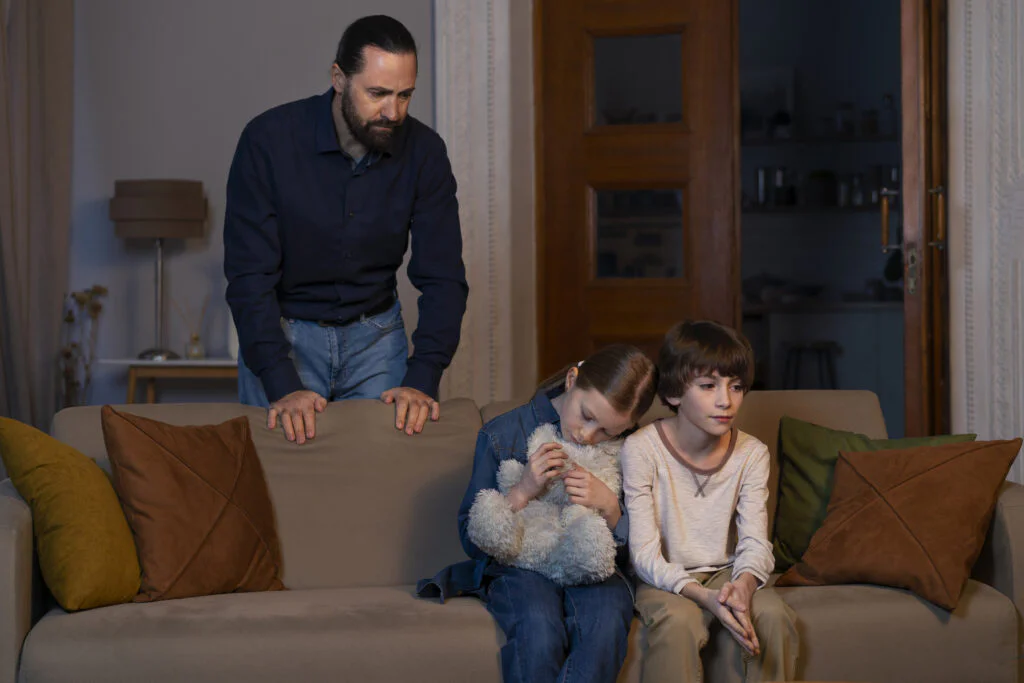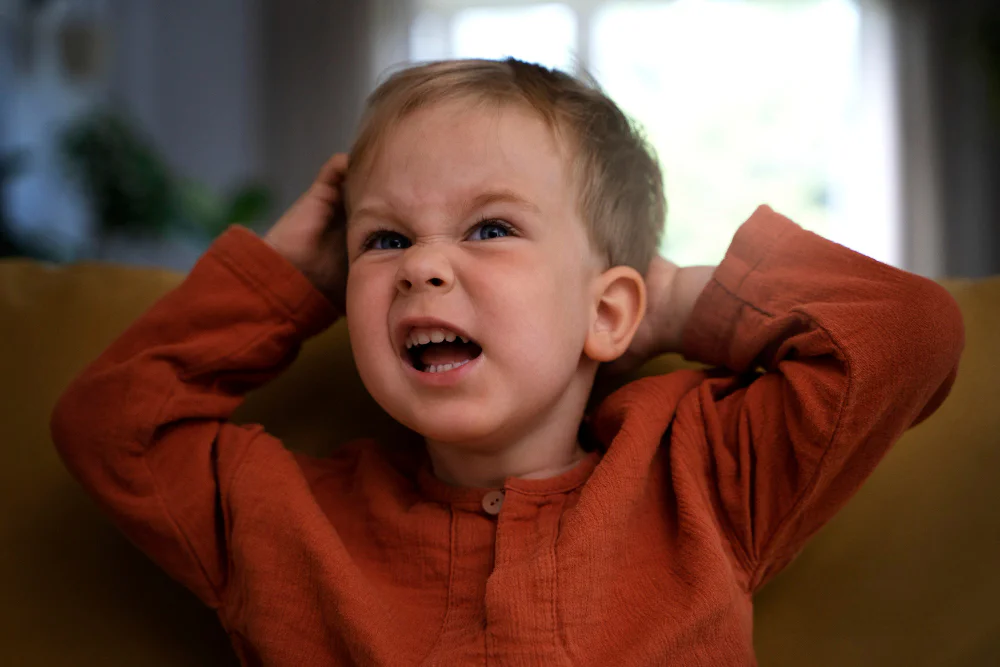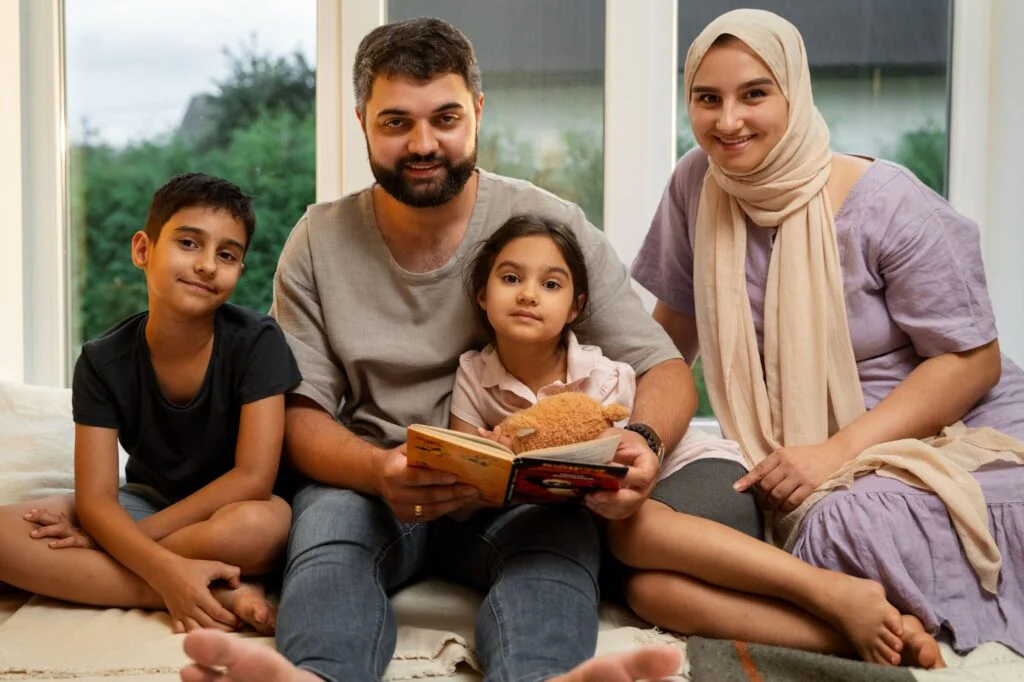
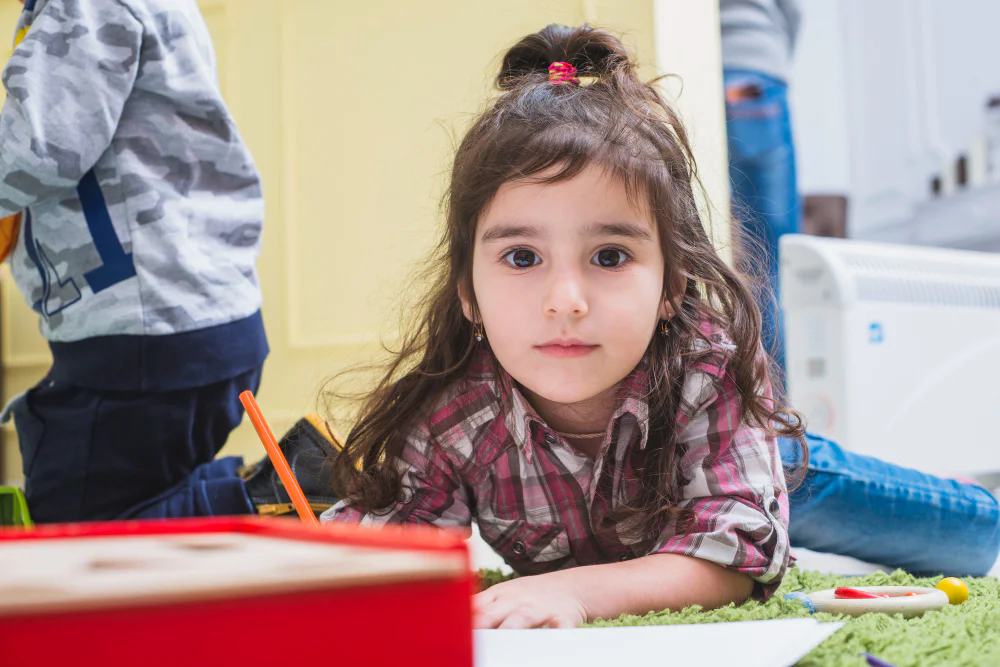
Preschoolers are full of curiosity, energy and big feelings. From excitement to frustration children aged 3–5 years experience emotions intensely and sometimes it can feel overwhelming for parents. Preschooler emotions can be really strong. Sometimes it can feel like they are going to explode. Tantrums, meltdowns and sudden emotional outbursts are all part of development—but understanding why they happen and how to respond can make a huge difference.
In Pakistan family dynamics, cultural expectations and joint-family living can add challenges to managing preschooler emotions. This blog will provide strategies for parents to help their preschoolers calm down, foster emotional intelligence and maintain harmony at home.
“Bachon ke bare jazbaat samajhna aur unko karna, parenting ka sabse important hissa hai.”
Understanding Preschooler Emotions
Preschool-aged children are learning to navigate their feelings for the time. At this stage:
They begin to experience empathy but still struggle with control.
Frustration tolerance is low; a minor disappointment can trigger a meltdown.
Their language skills are improving. Sometimes they can’t fully express what they feel.
Preschooler emotions are still. They need our help to understand and manage them.
Common Emotional Outbursts
Tantrums and Crying – Often occur due to frustration, tiredness or unmet needs.
Aggression – Hitting, kicking or shouting is usually a communication attempt, not misbehavior.
Separation Anxiety – Particularly in joint-family households with rotating caregivers.
Fear or Worry – situations like school doctors or unfamiliar places can trigger big emotions.
Preschooler emotions can be overwhelming. We can help them by understanding what triggers these outbursts.
Dealing With Toddler Tantrums Before Age 2
“Bachon ke tantrums aur cry karna normal hai, yeh unki emotional growth ka hissa hai.”
Why Preschoolers Struggle with Emotional Regulation
Several factors contribute to emotions in preschoolers:
Brain Development: The prefrontal cortex, which helps with self-control is still developing.
Limited Vocabulary: Children may feel frustrated because they can’t fully express themselves.
Routine Changes: Moving from home to school or adjusting to siblings’ schedules can trigger stress.
Overstimulation: Noise, visitors or crowded environments—common in homes—can overwhelm a child.
Parental Reactions: Yelling, rushing or dismissing emotions can unintentionally reinforce meltdowns.
Preschooler emotions are affected by things and we need to understand these factors to help them.
Recognizing Triggers of Big Emotions
To help your preschooler calm down, start by identifying triggers. Common causes include:
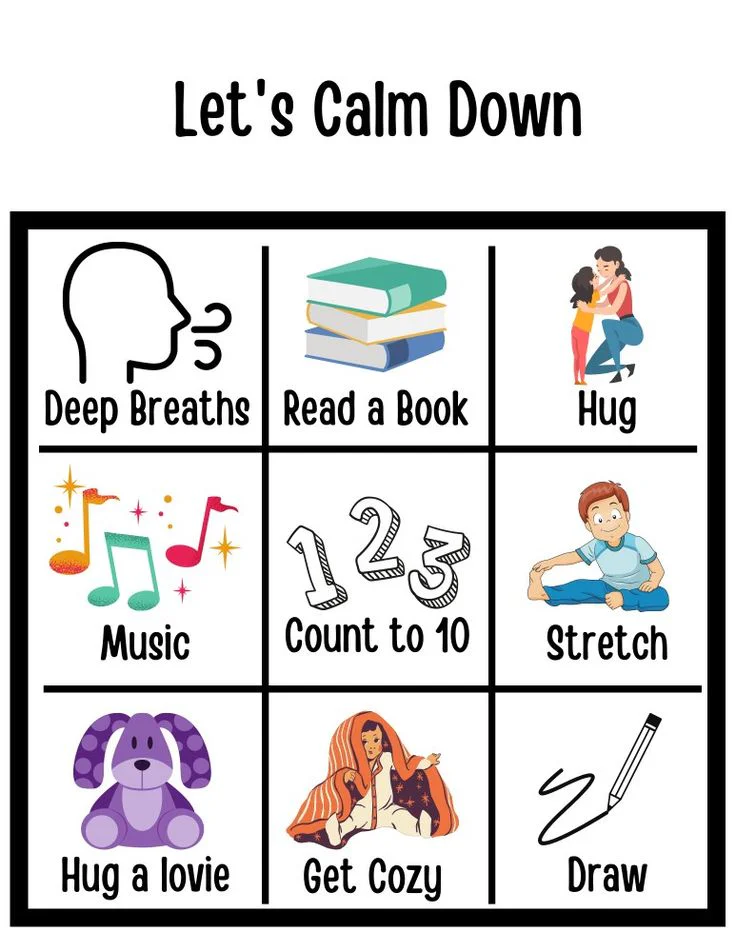
Physical Needs
Hunger, thirst or fatigue.
Sometimes a simple snack or nap can prevent a meltdown.
Preschooler emotions can be triggered by needs and we should make sure they are met.
Emotional Needs
Desire for attention or validation.
Frustration from a task that’s too difficult.
Preschoolers need support and we should be there to provide it.
Environmental Factors
Noise, clutter or many people in one space.
Sudden schedule changes like delayed meals or late guests ( common in Pakistani households).
Preschooler emotions can be affected by their environment. We should try to create a calm space for them.
Social Interactions
Conflicts with siblings or peers.
Difficulty sharing toys or attention.
Preschoolers are learning to interact with others. We should guide them through these interactions.
“Jab aap trigger identify kar lein bachay ko calm karna asaan ho jata hai.”
Practical Strategies to Help Your Preschooler Calm Down
Now that you understand triggers, here are strategies to help preschoolers manage big emotions.
1. Stay Calm Yourself
Children mirror adults’ behavior. Taking a breath and speaking in a calm tone can help your child regulate their emotions.
We should stay calm when our preschoolers are upset. This will help them calm down too.
2. Validate Their Feelings
Acknowledge your child’s feelings:
“I see you’re really upset because your toy broke. It’s okay to feel sad.”
Validation reduces frustration. Helps them feel understood.
We should validate our preschoolers’ feelings. This will help them feel heard.
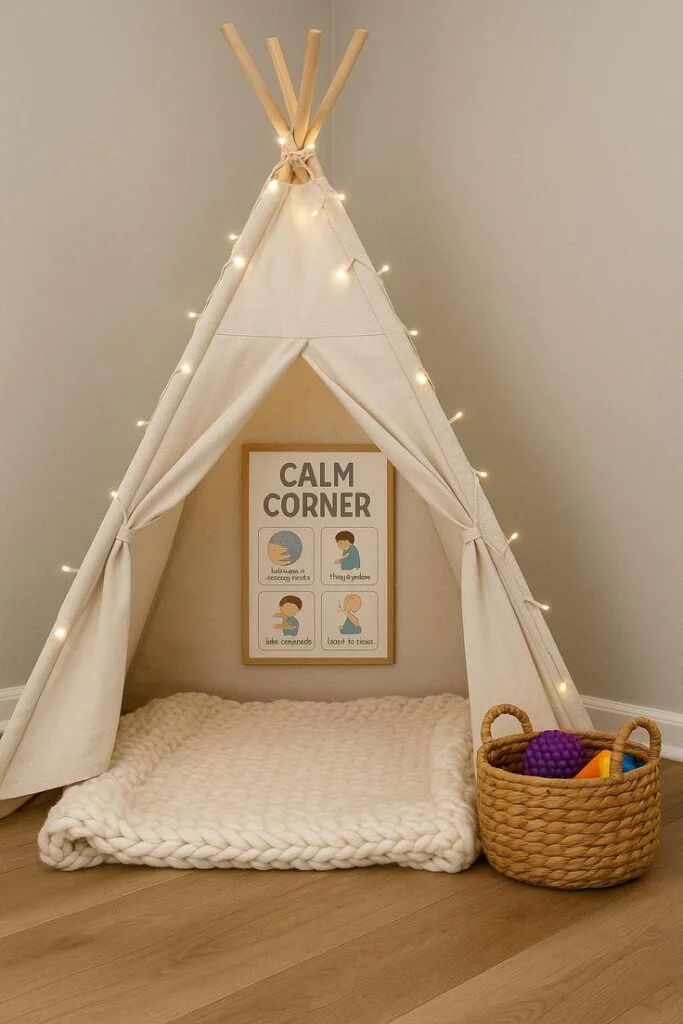
3. Create a Calm-Down Space
Set up a corner with soft toys, books or cushions. Encourage the child to go when feeling overwhelmed.
A calm-down space can help our preschoolers relax and calm down.
4. Use Deep Breathing and Simple Techniques
Teach your preschooler breathing exercises:
“Smell the flower and blow the candle.”
Use guided imagery: “Imagine you are a gentle butterfly.”
These techniques can help our preschoolers calm down and relax.
5. Offer Choices
Giving preschoolers options empowers them. Reduces meltdowns. Example:
“Do you want to wear the shirt or the blue shirt?”
We should give our preschoolers choices. This will help them feel more in control.
6. Maintain a Predictable Routine
Consistent meal times, nap schedules and bedtime reduce anxiety. Help regulate emotions.
A predictable routine can help our preschoolers feel more secure and calm.
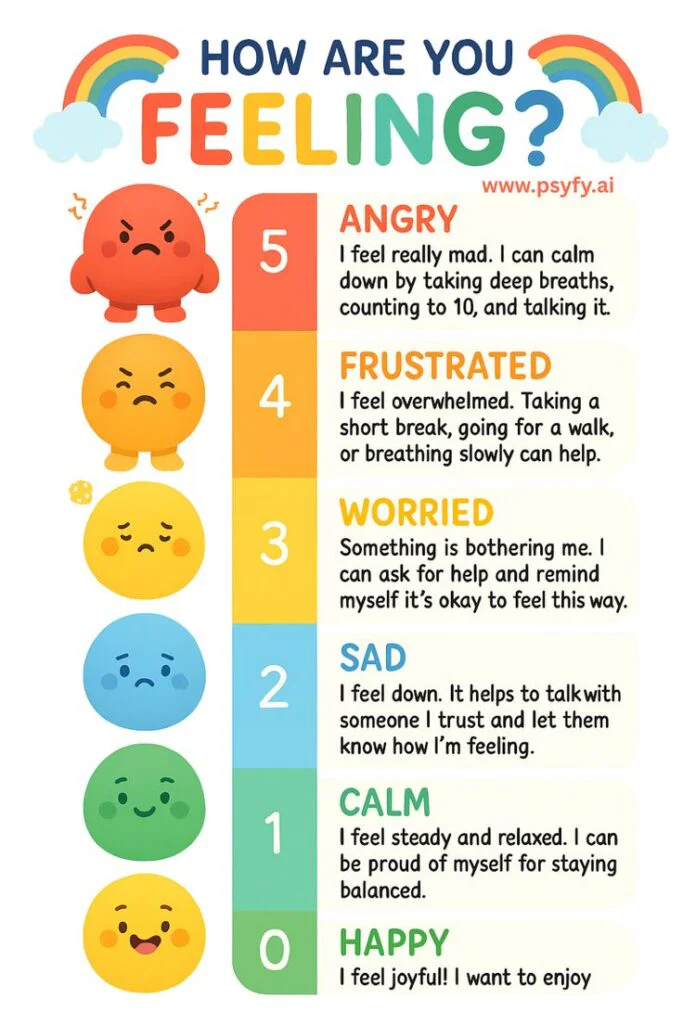
7. Teach Emotional Vocabulary
Help your preschooler name emotions: happy, sad, frustrated, excited. This builds literacy.
We should teach our preschoolers to identify and express their emotions. This will help them develop emotional intelligence.
“Bachon ko feelings ka naam sikha kar aap unko control sikhate hain.”
Role of Play in Emotional Regulation
Play is a tool for preschoolers to process big emotions.
Pretend Play: Role-playing scenarios allow children to express feelings safely.
Art & Drawing: Scribbling or painting is therapeutic for expression.
Music & Dance: Helps release tension. Develop self-awareness.
Sensory Play: Sand, water or clay can be. Improve focus.
Play can help our preschoolers manage their emotions and develop intelligence.
7 Best Foods for Toddler Brain Development (Scientific & Cultural Guide)
Handling Tantrums in Public
meltdowns are stressful especially in Pakistani settings like markets, weddings or family gatherings.
Stay calm. Ignore audience reactions.
Gently remove the child to a space if possible.
Use empathy statements:
“I know it’s frustrating, let’s calm down together.”
Avoid giving in this teaches coping skills over time.
We should stay calm and patient when our preschoolers have a tantrum in public.
When to Seek Help
While big emotions are normal some signs warrant professional attention:
Extreme. Frequent tantrums beyond age norms.
Persistent. Fear that affects daily functioning.
Inability to interact socially with peers or family.
Consult a child psychologist, pediatrician or early childhood specialist in Pakistan if you notice these signs.
We should seek help if our preschoolers’ emotions are affecting their life.
Cultural Considerations for Pakistani Parents
Joint-family homes can create overstimulation but also opportunities for modeling regulation.
Encourage family members to support calm communication.
Avoid comparing your child to others; every preschooler develops skills at their own pace.
We should consider our cultural context when helping our preschoolers manage their emotions.
“Bachon ki feelings ko samajhna aur respect karna, culture ya family size se farq nahi padta.”
Key Takeaways
Big emotions are normal for preschoolers.
Identify triggers—physical, emotional or environmental.
Use calm, validating responses than punishment.
Create routines and safe spaces for regulation.
Teach vocabulary and coping skills early.
Incorporate play and creativity as tools, for calming down.
We should remember these points when helping our preschoolers manage their emotions.