A Complete Guide to Object Permanence for Parents
If you are a parent you might have noticed that your baby sometimes ignores things when they are out of sight.. Then at a certain age they start looking for those same things. Whether it’s a toy or you yourself.
This behavior is actually part of a developmental milestone called object permanence.
In this blog we will explain object permanence in practical terms so you can easily understand:
* What is object permanence?
* When does it develop?
* Why is it important?
* How can you help your baby?
What Is Object Permanence?
In words:
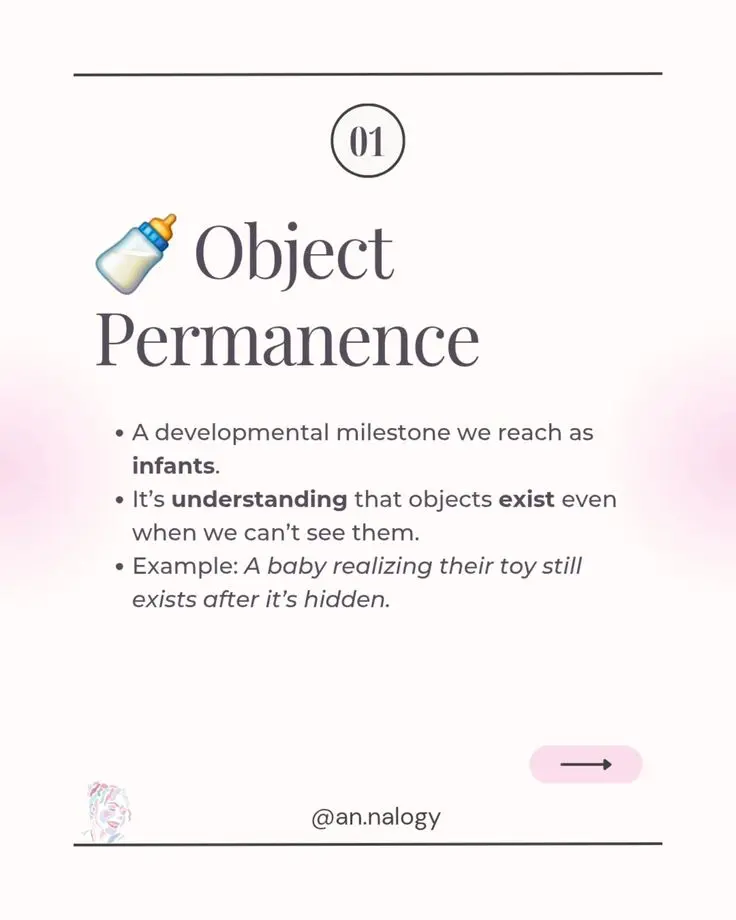
* Object permanence means that a baby starts to understand that things still exist even when they can’t see them.
Example:
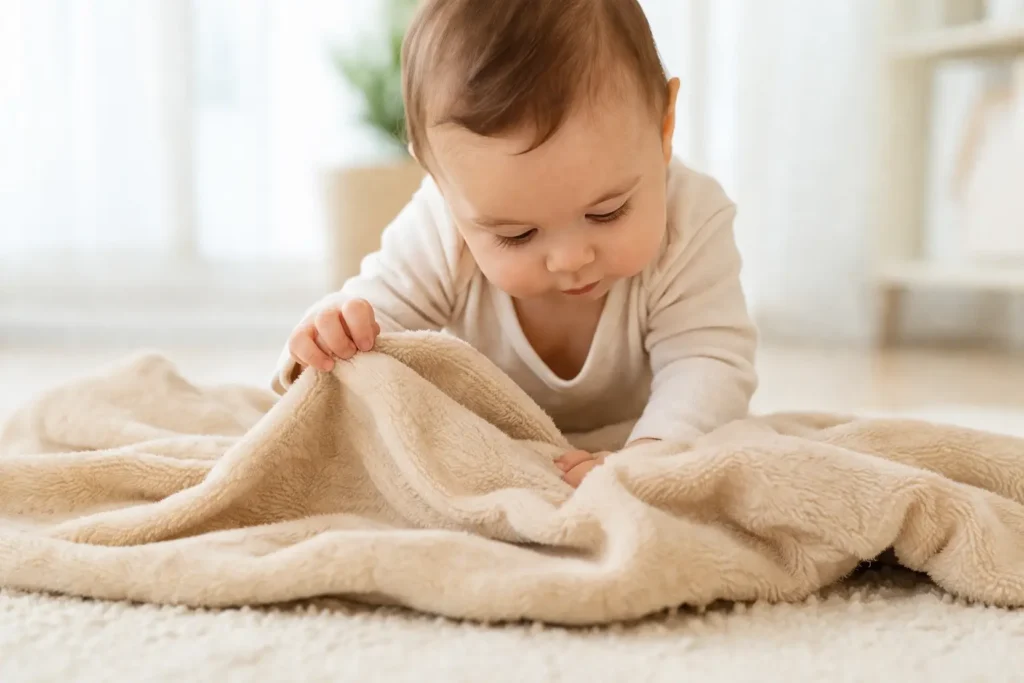
If you hide a ball under a blanket and your baby looks for it. That means they are developing object permanence.
Small babies (0–4 months):
* If something disappears from sight
* They think it doesn’t exist anymore
That’s completely normal.
Who Introduced Object Permanence?
Jean Piaget’s Theory
The concept of object permanence was introduced by famous psychologist Jean Piaget.
According to him:
* This is part of the sensorimotor stage
* Age range: 0 to 2 years
Piaget believed that babies gradually understand the world through:
* Senses (seeing, hearing)
* Actions (touching, grasping)
In this process object permanence develops.
When Do Babies Develop Object Permanence?
Every baby develops at a pace but here is a general timeline:
0–4 Months
Babies are unaware
Something disappears = it doesn’t exist
4–8 Months
Awareness starts
Reacts to partial hiding
8–12 Months
Strong object permanence
Looks for fully hidden objects
Most babies start developing this skill between 6–8 months.
Why Is Object Permanence Important?
Object permanence is not just a concept. It’s crucial for a baby’s overall development.
Memory Development
When a baby understands that something still exists when its out of sight their memory improves.
Emotional Development
This stage is linked to separation anxiety.
Example:
When you leave a room and your baby cries. That means they know you exist even if they can’t see you.
Problem-Solving Skills
Babies start thinking:
👉 “Where did the toy go?”
👉 “How can I find it?”
Curiosity and Learning
Object permanence boosts curiosity. Which’s the base of learning.
Signs Your Baby Has Developed Object Permanence
You can easily identify if your baby has reached this stage.
Looks for Objects
Your baby actively tries to find hidden things.
Enjoys Peek-a-Boo Game
Suddenly peek-a-boo becomes fun.
Looks for You
If you leave the room your baby reacts. That’s a sign.
Object Tracking
Your baby follows moving objects and expects them to appear again.
Simple Activities to Teach Object Permanence
You can support your baby’s development with activities at home.
Peek-a-Boo Game
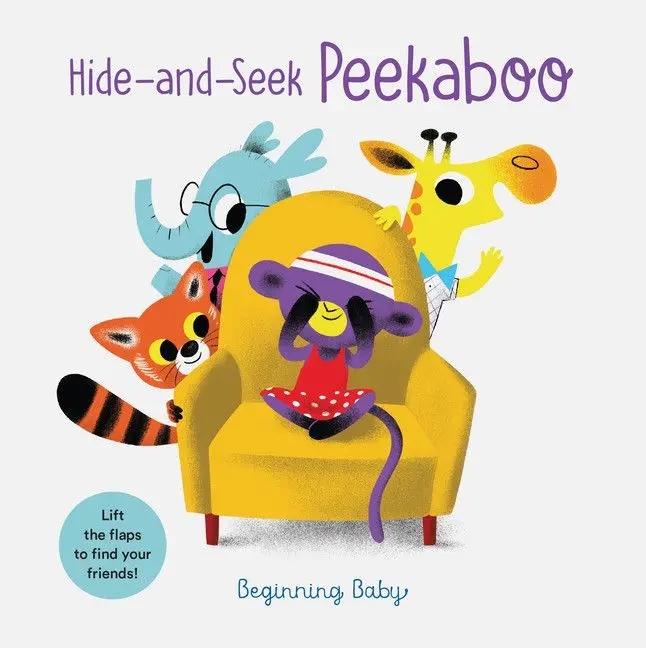
The popular and effective activity.
Hide your face
Then show it suddenly
👉 Your baby learns that you didn’t disappear.
Toy Hide and Seek
Hide a toy under a blanket
Let your baby find it
Cup Game
Hide a toy under a cup
Shuffle the cups
👉 This also improves problem-solving skills.
Partial Hiding
Cover an object partially
Let your baby show interest
Common Mistakes Parents Make
Expecting Soon
Every baby develops at their own pace. Avoid comparisons.
Ignoring Interactive Play
Not engaging with your baby can slow down development.
Too Much Screen Time

Real-world interaction is essential. Learning from screens is limited.
What If My Baby Doesn’t Develop Object Permanence?
In cases there’s no need to worry.
If:
* No signs by 10–12 months
* Your baby avoids interaction
👉 It’s best to consult a pediatrician.
Object Permanence and Separation Anxiety
As object permanence develops:
👉 Your baby realizes:
“Mom went away…. She still exists”
This causes:
* Your baby becomes clingy
* Cries when you leave
👉 This is a part of emotional development.
Real-Life Examples of Object Permanence
Your baby looks for a hidden toy
Searches under a blanket
Reacts when they don’t see you in the room
👉 These are signs that object permanence is developing.
How Parents Can Support This Stage
Play interactive games with your baby
Use repetition
Create a positive environment
Let your baby explore
👉 Most importantly: be patient.
FAQs About Object Permanence
Object permanence might seem simple. It’s a fundamental step in a baby’s development.
It:
* Builds memory
* Strengthens connection
* Lays the base, for learning
👉 Every baby grows at their pace. So don’t compare.
Just spend time with your baby play games and enjoy this beautiful learning phase 💛
Written by mehreen tahir
Disclaimer: This article is for informational and educational purposes only and is not intended as medical, psychological, or nutritional advice, diagnosis, or treatment. Every child, body, and pregnancy is different — please consult your pediatrician, doctor, or a qualified healthcare provider for advice specific to your situation.