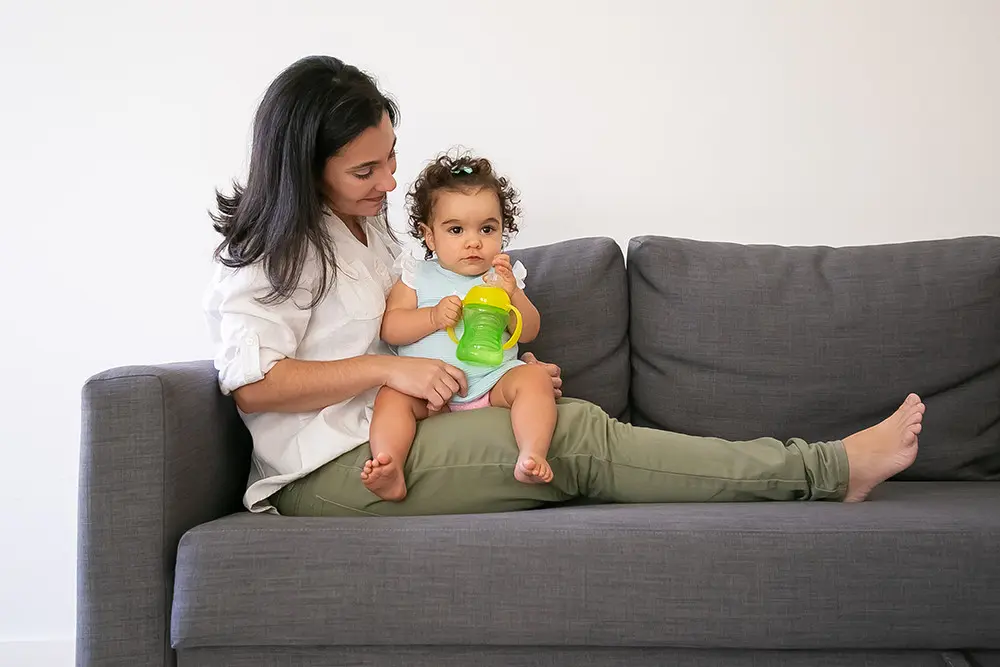
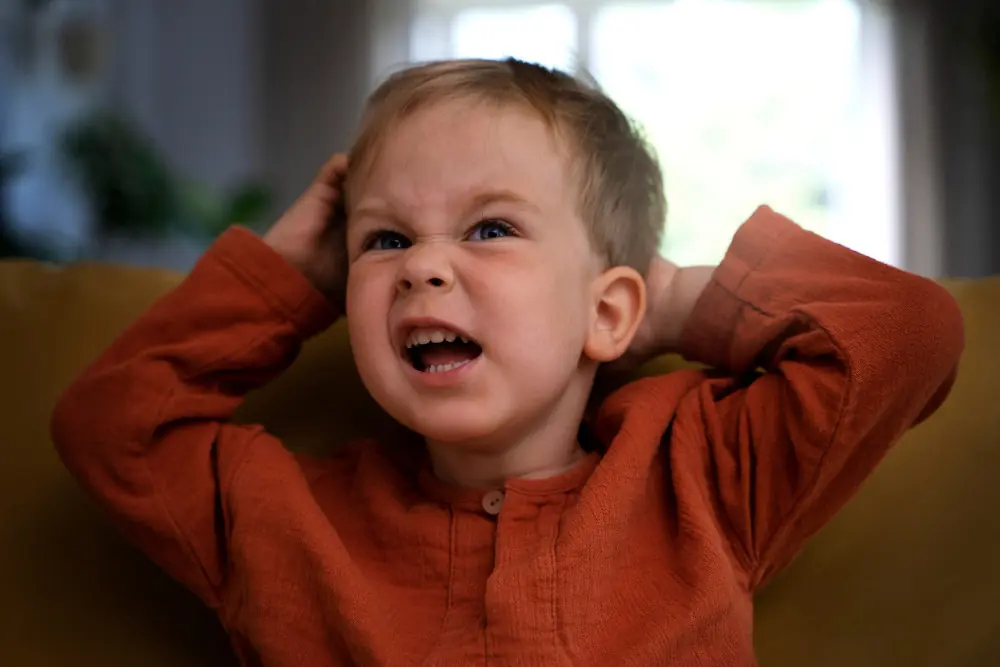
You have organised a basic visit to the household of a relative. Initially everyone smiles. Subsequently your toddler becomes dissatisfied with the seating. He or she wants to have a different cup. Another person touches the child’s toy. The whining escalates; it gets louder and more urgent; you are secretly wishing you had stayed at home.
If this scenario sounds familiar, you are not alone. Toddler whining is one of the most common – and most irritating – phenomena of early childhood. The reassuring prognosis is that whining is developmental, transient and manageable by appropriate comprehension and response.
What Is Toddler Whining?
Whining is a low level form of distress communication. It is different from a tantrum and is not an indication of poor behavior. It is your toddler’s way of saying:
- “I need something.”
- “I am overwhelmed.”
- “I am not yet able to express this correctly.”
Given that toddlers are still learning to use language, regulate emotions, and problem solve, whining is often the way to close the space between what is happening inside them and what is expressed outside.
Why Do Toddlers Whine?
1. Limited Language and Emotional Skills
Toddlers have big feelings and absolutely no idea how to put those very strong feelings into words. Whining is there to take up that communicative void when frustration, disappointment, or confusion begins to swell.
2. Overwhelming and Sensory Overload
Busy environments, noise, a change in routine, or an abundance of demands can be too much for a toddler’s developing nervous system to handle. Whining becomes an outlet.
3. Unmet Physical Needs
Many episodes of whining have been attributed to basic physiological needs, including:
- Hunger or thirst.
- Fatigue or missed naps.
- Overstimulation or boredom.
- Discomfort; e.g. wet diaper or tight clothing.

4. Seeking Attention or Connection
Whining often comes out when a child feels disconnected. Even negative attention may be better than no attention at all.
5. Boundary Testing
Toddlers are learning about how the world works. They experiment with boundaries to see what kind of behaviors will get responses; if they have used whining in the past and it has been effective, they are likely to use it again.
6. Because It Works
Whining is potent. It invokes the reaction of an adult in a very fast manner. Over time, toddlers learn which behaviours elicit the most immediate response.
Is Toddler Whining Normal?
Yes. It is completely normal.Whining usually peaks at two to four years old and slowly dissipates as:
- Language proficiency is improved.
- Emotional regulation becomes matured.
- Children learn socially acceptable ways to ask for help.
Whining does not mean your child is spoiled, manipulative, and badly behaved.
How Parents Should Respond to Toddler Whining
1. Regulate Yourself First
Whining may be emotionally triggering. Before responding:
- Take a breath.
- Remind yourself: This is no emergency situation.
- Remain physically calm.
A calm adult brings a dysregulated child to calm more quickly.
2. Acknowledge Feelings Without Rewarding Whining
Validation is essential, but giving in does not reinforce the behavior.
Try:
A non-judgemental way to understand the situation is to say something like:
- I hear that you are frustrated.
- “I want to help you but I need to be able to communicate in your normal tone.”
Avoid:
- Yelling.
- Mocking.
- Immediate compliance and no more in order to silence the noise.
3. Teach and Model the Right Words
When your child is calm enough, gently coach:
- You can say: “Snack, please.”
- Pause and give the child a chance to try the phrase.
When the child uses words – even imperfectly – respond immediately and affirmatively.
4. Praise the Behavior You Want to See
Positive reinforcement is a better choice than correction
Say:
- “Thank you for using a calm voice.”
- “That was a great way to ask.”
Specific praise strengthens communication skills.
5. Underreact to the Whining Tone
Big reactions often increase the whining making it louder and longer. Maintain neutrality and keep your tone steady – this eliminates the emotional fuel.
6. Redirect When Possible
Toddlers can be redirected after their feelings are recognized.
- Change rooms.
- Provide an alternative activity.
- Introduce movement or play.
Redirection is most effective after validation.
7. Meet Physical Needs Early
Prevent whining by anticipating:
- Hunger.
- Sleep schedules.
- Long outings without breaks
Predictable routines reduce emotional overload.
8. Give Connection Before Correction
Daily moments of focused attention decrease attention seeking whining. Even ten minutes of continuous play can significantly reduce the frequency.
How to Stop Whining Before It Starts
- Have predictable routines.
- Offer choices (for example, “This cup or that cup.
- Prepare your toddler for transitions.
- Praise calm communication.
- Watch for patterns such as time of day, hungry, or overstimulated.
The prevention is often better than the correction.
What Not to Do When Your Toddler Whines
- Avoid calling the child “a whiner.”
- Avoid yelling or threatening.
- Don’t give in to silence sound only.
- Don’t ignore genuine emotional distress
Whining is communication, not manipulation.
When to Be Concerned
It is not unusual for them to occasionally whine. Get professional advice if:
- Whining is constant and extreme.
- It interferes with daily functioning.
- It is accompanied by regression, loss of sleep or withdrawal.
Early support to help both parent and child.
A Final Word for Parents
Whining is a phase, not a failure. Your toddler is learning to navigate in a world that can be overwhelming at times. With calm guidance, consistency and compassion, this stage will pass.At Momistan, we believe good parenting isn’t about perfection—it’s about presence, patience, and understanding.