A science-backed, real-life guide for parents
You’re sitting on the couch with a cup of coffee that’s already gone cold. Your toddler is happily pulling every container out of the kitchen cupboard—for the third time today. You glance at your phone… and then it hits you.
Should I be playing with them right now? Teaching them something? Doing more?
If this sounds familiar, take a breath. You’re not failing your child. In fact, by letting them play on their own, you’re doing something significant for their development.
Independent Play Isn’t Neglect — It’s a Skill
Independent play simply means your child is playing without you directing every move. It doesn’t mean leaving them alone or ignoring them. You’re still nearby. You’re still present. You’re just giving them space to explore on their own terms.
And here’s the reassuring part: research from the American Academy of Pediatrics confirms that play is essential for brain development. It supports emotional regulation, language, problem-solving, and social skills. Play isn’t “extra.” It’s how children build their brains.
A large 2024 study of over 2,200 children found that toddlers who spent time in quiet, unstructured play had better self-control and emotional regulation later on. These are the skills that help children succeed in school, friendships, and life.
What’s Actually Happening in Your Child’s Brain
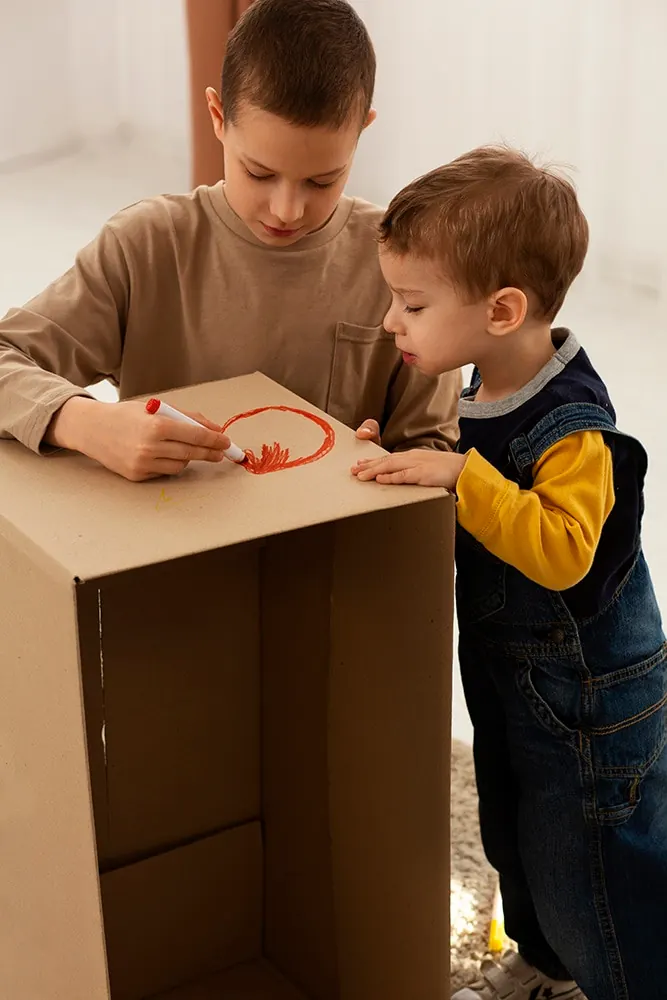
When your child plays alone, they aren’t “doing nothing.” Their brain is working hard.
Independent play helps children:
- Build brain connections as they experiment, try, fail, and try again.
- Develop a sense of self, realizing “I can do things on my own.”
- Strengthen executive function, like focus, decision-making, and persistence.
One study even showed that children who played with blocks developed better language and thinking skills than children who watched educational videos. Hands-on, self-led play beats screens every time.
The Emotional Benefits Are Huge
Childhood anxiety and emotional struggles are on the rise. Researchers believe one reason is that children today have fewer chances to play freely and independently.
Independent play—even slightly risky play like climbing or balancing—helps children build confidence and cope with uncertainty. In one study, anxious preschoolers showed a noticeable reduction in anxiety after just 15 minutes of free play.
Play helps children learn: I can handle this.
Yes, Parents Benefit Too — And That’s Okay
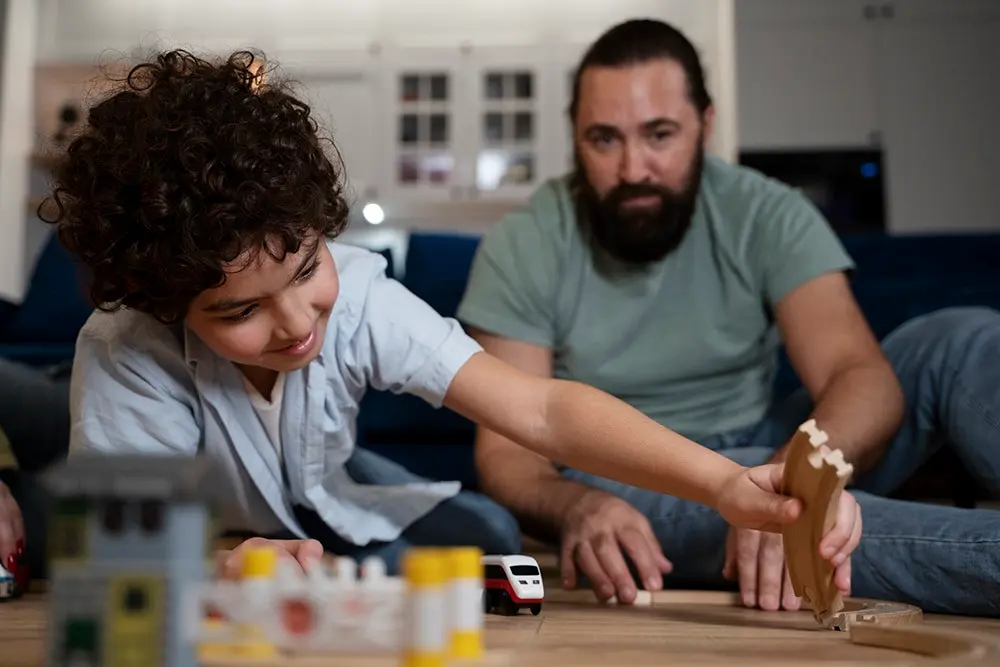
Let’s say this clearly: it is okay if independent play gives you a break.
Parents are under enormous pressure to be “on” all the time. Studies show parents feel guilt multiple times a week—often for not doing enough. But you cannot pour from an empty cup.
When your child plays independently, you’re not checking out. You’re recharging so you can show up better later. That matters.
What’s Actually Realistic?
Many parents expect too much too soon. Here’s what’s developmentally normal:
- 6 months: about 5 minutes
- 12 months: around 15 minutes
- 18 months: 15–20 minutes
- 2 years: about 30 minutes
- 3+ years: longer stretches with routine
If your toddler plays alone for even a few minutes, that’s a win.
“Why Won’t My Child Play Alone?”
Often, children who resist independent play aren’t incapable—they’re just used to constant adult involvement.
When adults always lead play, children may not learn how to follow their own ideas. This isn’t anyone’s fault. It comes from love and good intentions.
The good news? Patterns can change.
Practical Ways to Encourage Independent Play
Create a safe “yes space.”
A space where your child can explore freely without constant corrections builds confidence and focus.
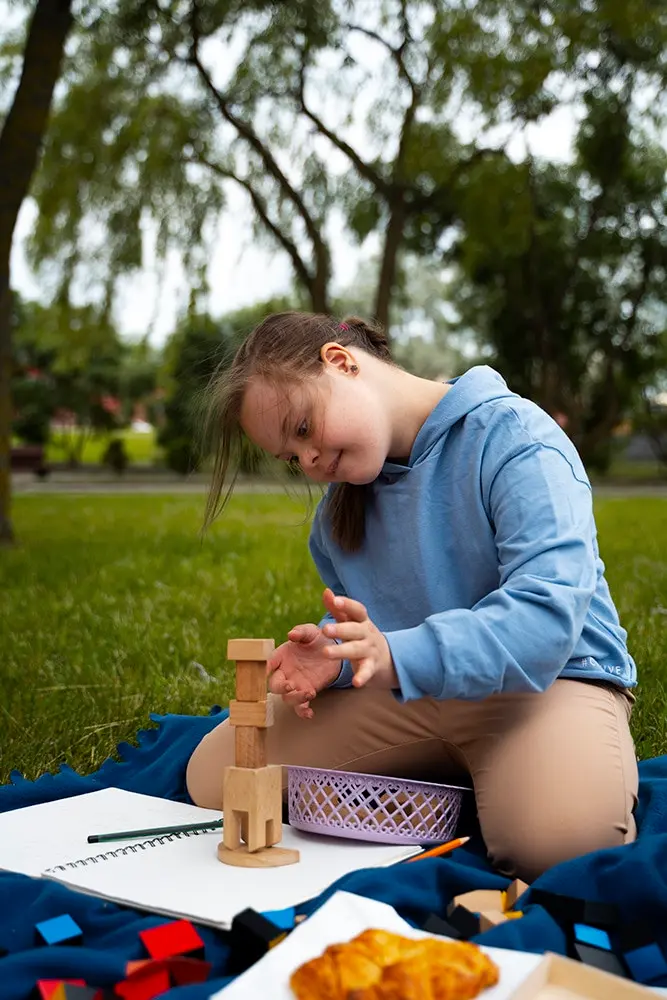
Choose simple, open-ended toys.
Fewer toys actually lead to deeper play. Blocks, dolls, scarves, cups, and art supplies work better than flashy, battery-powered toys.
Start side-by-side
Sit nearby doing your own task while your child plays. Your presence provides security while they build independence.
Use predictable routines
Children feel safer when they know what’s coming. Try independent play at the same time each day.
Practice “wants nothing” time.
Spend short periods simply observing your child without directing or teaching. This helps them trust their own ideas—and makes independent play easier later.
Expect Some Resistance (That’s Normal)
When you shift toward more independent play, things may get uncomfortable at first. Your child might cling, whine, or insist they “don’t know what to do.”
Stay calm. Stay confident.
You can acknowledge their feelings without giving up your boundary:
“I know you want me to play. I’m finishing this right now. You can choose what to do.”
Your confidence teaches them that they can handle this.
Letting Go of the Guilt
Good parenting isn’t about constant entertainment. It’s about raising capable and confident individuals.
Try these mindset shifts:
- “I’m teaching my child independence, not neglecting them.”
- “Taking a break models healthy boundaries.”
- “Boredom helps creativity grow.”
Children don’t need nonstop stimulation. They need space.
What About Boredom?
“I’m bored!” can feel like an emergency—but it isn’t.
Boredom is where creativity starts. Instead of fixing it:
- Acknowledge the feeling
- Express confidence
- Step back
Often, the best play comes after a few quiet minutes.
When Independent Play Is Truly Hard
Some children require additional support during specific phases—big changes, separation anxiety, or the arrival of new siblings can all impact play.
That’s okay. Independence isn’t forced; it’s supported gently over time.
If independent play is consistently very difficult, consider whether your child needs more outdoor movement, quieter solo time, or extra emotional support.
| Week | Focus Area | Action Steps |
| Week 1 | Observation and Setup | • Observe natural solo play moments • Set up a safe play space • Reduce toy overload; offer open-ended toys |
| Week 2 | Building Tolerance | • Start with 1–2 minutes of solo play • Stay nearby but reduce direct engagement • Practice 10 minutes of undirected quality time daily |
| Week 3 | Extend Duration | • Gradually increase solo play to 5 minutes • Increase physical distance slightly • Create a predictable daily play routine |
| Week 4+ | Maintain Consistency | • Extend playtime based on readines • Acknowledge effort without pressure • Adjust expectations during transitions • Supports long-term independence and emotional regulation |
The Bottom Line
Independent play isn’t about doing less—it’s about doing what truly helps your child grow.
You’re not stepping back because you don’t care. You’re stepping back because you do.
So yes—reheat that coffee. While your child explores the world on their own, you’re doing something powerful: giving them the confidence to trust themselves.
That’s not lazy parenting.
That’s intentional parenting.
And you’re doing better than you think.
FAQs: Supporting Independent Play Without Guilt
Disclaimer: This article is for informational and educational purposes only and is not intended as medical, psychological, or nutritional advice, diagnosis, or treatment. Every child, body, and pregnancy is different — please consult your pediatrician, doctor, or a qualified healthcare provider for advice specific to your situation.