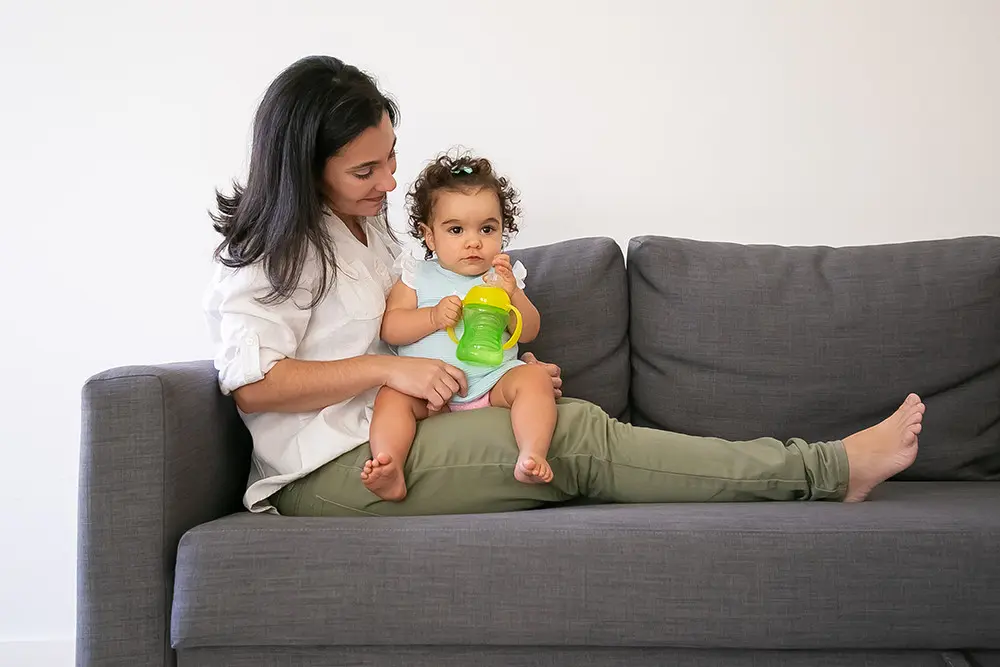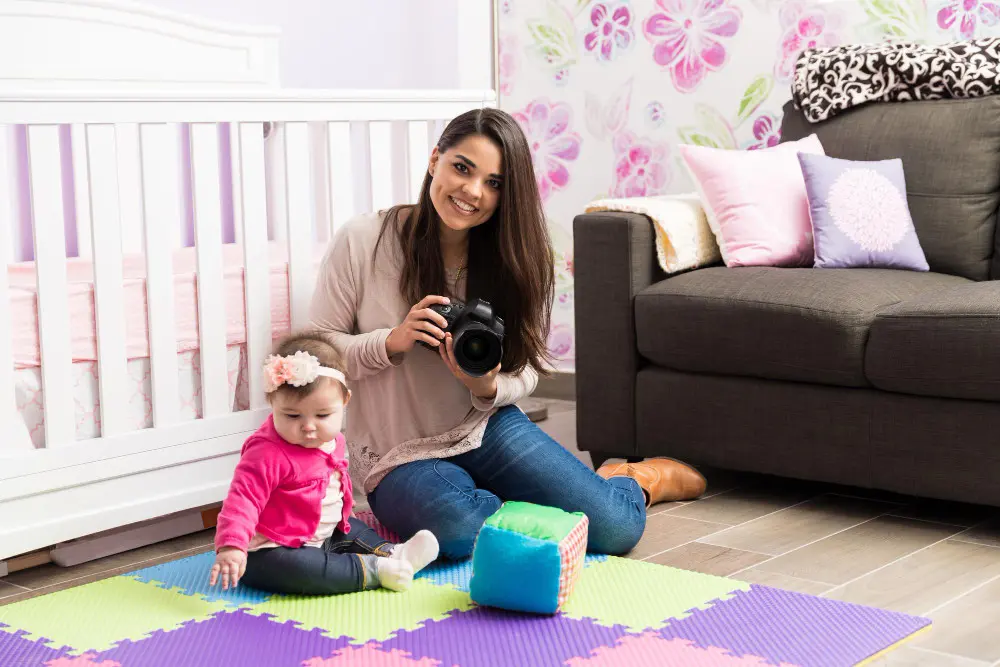
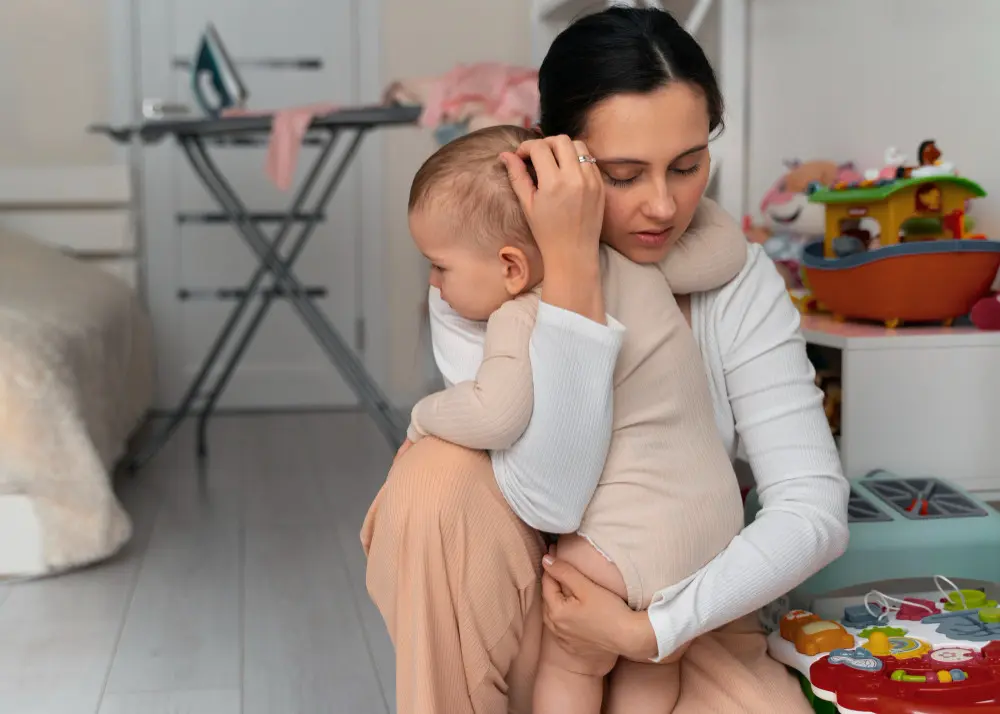
Separation anxiety during the toddler years can be a real nightmare for both mum and child. One minute, your little one is happily playing, and the next, they’re in tears the moment you step away. Many mums struggle with the likes of “toddler bedtime separation anxiety“, sudden tears at daycare drop-off, and the never-ending cycle of “toddler clingy behavior” that seems to come out of nowhere.
If you’re finding yourself dreading those toddler mornings at daycare, dealing with emotional bedtime battles, or feeling exhausted from constant clinging during the day, just know you’re not alone, and your little one’s not being naughty. Separation anxiety during 12-24 months is totally normal and healthy – it’s all part of those big developmental leaps your child is going through. Don’t beat yourself up about it – it’s just part of the job!
This gentle guide is here to help you understand what’s going on with your little one, share developmentally grounded strategies, and show you how to leverage secure attachment and toddlers’ emotional development to your advantage.
II. Understanding Separation Anxiety in Toddlers (12-24 Months)
A. Why It Hits Hard During This Age
Between 12 and 24 months, toddlers are going through some major brain development. Their understanding of the world is expanding by the minute, and with it, their awareness that you – the center of their comfort and safety – can actually leave you. This is a big one for them.
This stage includes some major milestones like:
- Figuring out object permanence (i.e., you really do exist even when you’re not in the room!)
- Getting a little more emotionally aware (they’re starting to understand that you can leave and still come back)
- Making early attempts at independence (they want to do things for themselves, even if it’s just for a minute!)
These changes in development naturally bring with them “signs of separation anxiety in 12–24-month-olds” because your little one now understands that you can walk away, but they haven’t yet got the coping skills to feel okay while you’re not there.
When a toddler feels insecure or overwhelmed, their brain interprets this as “feeling unsafe or insecure”, which is why they cry, cling, or get all worked up.
B. Keeping an Eye Out for Common Signs
Toddlers show their anxiety through their behavior and body language, including:
- Crying when you’re out of sight (even if it’s just for a second)
- Clinging to you like glue
- Getting fearful around people they don’t know
- Suddenly having sleep disturbances
- Getting irritable for no reason
These reactions can manifest as “child behavior changes” or even episodes where they look really distressed or fussy.
Many parents also notice early “child anxiety symptoms” like refusing to play alone, getting upset at bedtime, or suddenly being scared of things they used to do without a worry.
C. What’s Normal vs. When to Be Worried
Typical separation anxiety at this age is short-lived and usually triggered by things like bedtime, daycare drop-off, or transitions. But if anxiety starts to get intense, starts to interfere with daily life, or shows up alongside some really big regressions, it might be worth looking into a bit further.
Normal:
- Short bursts of crying (they’re just feeling a bit overwhelmed)
- Having a bit of trouble with new routines (they need some time to adjust)
- Needing some reassurance now and then (that’s just part of being human!)
But…
- Refusing to eat or sleep for no reason (that’s a red flag)
- Panic lasting longer than 30-40 minutes (ouch, that’s a long time!)
- Regression in speech or social skills (that’s a sign of deeper issues)
III. The Science of Attachment: What Your Baby Really Needs
A. How Secure Attachment Reduces Anxiety
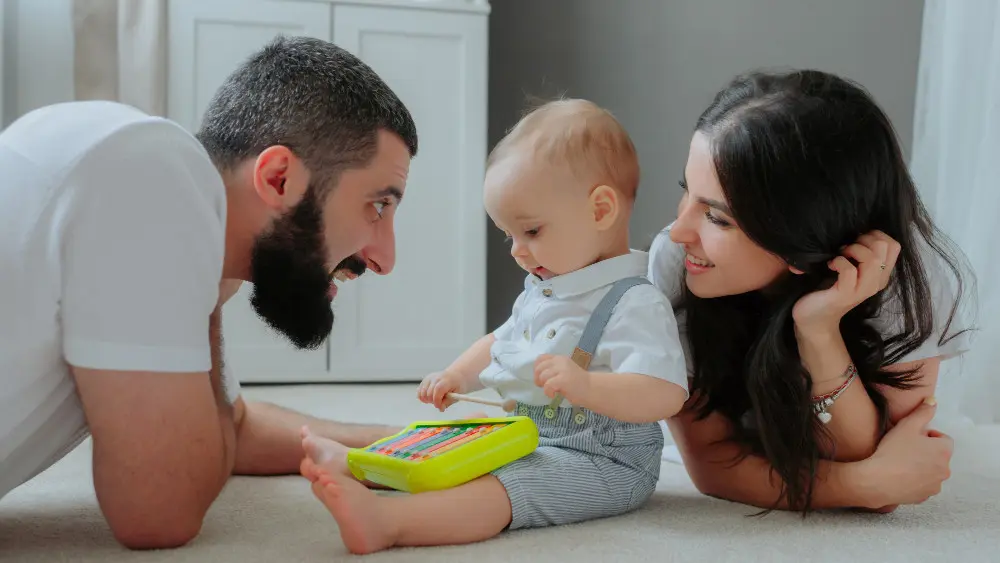
When you’ve got a secure bond with your little one, they feel safe enough to explore and try new things because they know you’re always there to catch them. This foundation of trust builds confidence, independence, and all sorts of other good stuff that helps with “toddler emotional development” and sets them up for success in the long run.
B. Why Your Response Matters
When your little one cries, and you respond with calm, predictable love, they learn some really important things:
- You come back (so even if you’re not there physically, you’re still there emotionally)
- I am safe (they’re learning to trust that everything is going to be okay)
- My feelings matter (that’s the foundation of emotional intelligence)
- Consistent care and love are the key to reducing “separation anxiety in toddlers” and building those all-important “coping skills for kids”.

IV. Gentle Strategies to Help Your Baby Feel Safe
A. Creating Effective Goodbye Rituals and Routines
Toddlers love routine and predictability, so try setting up some consistent goodbye rituals like:
- A special phrase (like “mummy will be back soon“)
- A special goodbye wave, hug, and smile
- A quick and calm goodbye routine that works for you both
This helps with those “transition rituals, goodbye routines,” and prevents unexpected anxiety spikes.
Avoid sneaking off without warning – it just makes it harder for your little one to cope next time.
B. Practicing Short Separations at Home
Start with tiny separations:
- Leave the room for a minute or two
- Let them stay with someone they trust (like grandma or a trusted family friend)
- Gradually increase the time you’re away
- Return with lots of love and praise
This builds trust and helps your little one get used to the idea of being apart from you, which is a big part of “helping children cope with anxiety”.
C. Comfort Objects & Transitional Items
A special soft toy, blanket, or cloth can be a real lifeline for your little one. It helps them feel more secure and grounded when you’re not there, and can provide some much-needed emotional regulation when they’re feeling overwhelmed or scared. These objects help bridge a sense of security for your kid when you’re not around mom.
D. Building Confidence Through Play
Play is, in a lot of ways, a form of emotional therapy for toddlers.
Games that can really work for this include:
- Peek-a-boo – because the suspense is part of the fun
- Hide-and-seek – mainly because it’s a relatively quick game
- “Mommy comes back” – which basically says that even when I go, I’ll always come back
These games are all about creating a sense of predictability and helping build some coping skills for your kid – showing them that even when you’re gone, you always come back.
E. Preparing Your Baby for Separation
It’s a good idea to let them know what to expect – even if they don’t fully grasp the words.
It’s your tone, expression, and general calmness that matter more than what you actually say.
This simple practice can really help cut down on what we call toddler clingy behavior and get them to be a bit more emotionally smart.
V. Handling Separation Anxiety in Your Daily Routines
A. Morning Drop-Offs (Daycare, grandparents, Nanny)
Mornings are the worst time for a meltdown – and that’s when these tips can be most helpful. Try:
- Having a consistent morning routine
- Giving a quick, sweet goodbye
- Getting out of there quickly without making a scene
- Spending a little quality time before you go
As you’re doing all this, try applying some of these general daycare drop-off crying strategies, like:
- Having them hand over to the same childcare worker every day
- Letting them take a comfort item with them
- Try to make these separations as short as possible.
These are the habits that help build real resilience and lower the risk of future school-related anxiety.
B. Toddler Separation Anxiety & Bedtime Solutions
At night, these emotions can get really intense because your toddler’s worried they’re going to lose connection with you while they sleep
Try:
- Keeping their bedtime routine as consistent as possible
- Dimming the lights and softening the sounds a bit
- Checking in on them as they settle
- Using a familiar bedtime phrase to reassure them
- Sticking to a predictable order of things (like bath then pjs, etc.)
It’s these little tricks that can make a big difference in making bedtime less stressful and helping prevent the sort of worries that might be keeping them up at night.
C. When Mom Is Working from Home
Being a work-from-home mom can be really tough – you’re juggling guilt, distractions, and constant interruptions from your little one.
Try to ease that anxiety by:
- Drawing some clear boundaries
- Making some time to connect with your kid – not just as work time gets going
- Giving them a clear idea of when to expect you back
- Trying to keep transitions as gentle as possible
It’s these simple things that can lower your stress, prevent your kid from developing anxious behavior by watching you, and stop them from developing the bad habit of expecting you to be around all the time.
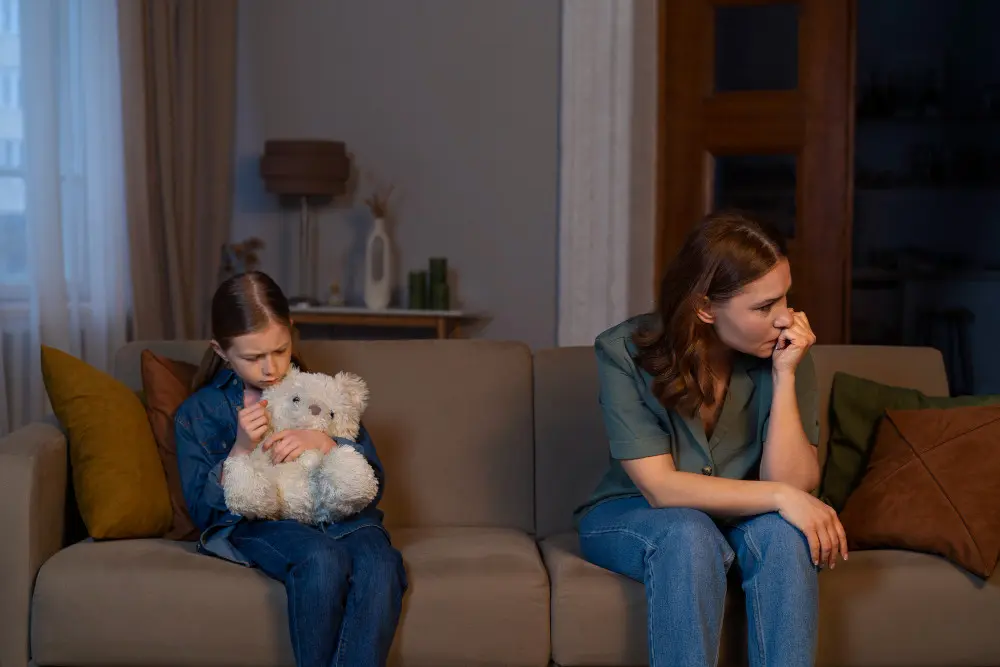
VI. The Emotional Side – Moms Need Support Too
A. Sorting Out Mom Guilt and Stress
Loads of mothers are silently battling a sense of responsibility overload – they feel this awful tug between being a parent and connecting with their kids. It’s a mess because the guilt just piles on the stress and makes your kid feel anxious, too.
But the thing is, it’s normal to feel down – it’s a sign you care, after all.
So, focus on just being a calm, dependable, and connected presence, even if you’re not around every second.
B. Easy Self-Care Tips to Help You Out
When you’re feeling rested and emotionally balanced, that has a really positive effect on your kid, too.
- Try taking a few deep breaths to calm down
- Take a quick break each day to collect your thoughts
- Get some support from your partner or family – don’t be afraid to ask for help
- Don’t worry about being perfect – just be present.
This helps keep your kid from picking up on your anxious vibes and helps them cope with separations better.
C. How Your Feelings Affect Your Baby
Kids are super sensitive to the emotions around them. When you’re feeling overwhelmed or anxious, they can really pick up on it.
And basically, managing your own emotions can really help your kid regulate their own feelings.
D. When Moms Need a Little Extra Help
If feelings of anxiety or guilt are getting too much, that’s actually a sign of strength – not weakness. It’s a good idea to reach out for some support.
Options include:
- Talking to a therapist who specializes in kids
- Getting some guidance from a parenting coach
- Joining a group of other moms who are going through the same thing
- Reading up on some emotional wellness tips in Momistan’s articles
VII. When It’s Time to Get Some Professional Help
Seek help if:
- Separation anxiety is getting worse, not better
- Your kid is regressing in their development (like with speech, eating, or toilet habits)
- They’re refusing to play or interact
- Anxiety has been a problem for a while – more than just a few months
If anxiety is really impacting your daily life, it might be a good idea to get some help from a pediatric specialist.
VIII. Building Emotional Readiness for the Future
A. Preschool Readiness and Emotional Development
If you can get anxiety under control now, it’ll make a big difference when your kid goes to preschool. They’ll be able to adapt to new things, manage classroom separations, and build trust in new environments.
B. Encouraging Social Interaction
Getting your kid to interact with other kids early on really helps them build trust in the world around them. This can reduce issues down the line, like worrying all the time or avoiding new activities.
IX. Quick Tips to Help You Cope (Checklist)
DO:
- Stick to routines so your kid knows what to expect
- Keep goodbyes short and sweet
- Reassure them when you leave, but do it confidently
- Use comfort objects to help them feel safe
- Practice short separations to help them get used to it
DON’T:
- Sneak out when your kid is not looking – that can create more anxiety
- Panic when you have to leave – that can be too much for your kid to handle
- Over-protect them when you’re leaving – that can create more dependence on you
- Delay leaving too long – that can make separation harder
5-Minute Emotional Connection Practices
- Make eye contact when you talk to your kid
- Sing a special song each morning to get them going
- Hold them close before leaving, but also give them space to breathe.
Phrases to Help Your Kid Feel More Secure
- “Mama will always come back to you.”
- “You are safe, I promise.”
- “I’m proud of you for being brave.”
Mini-Routines for an Easier Daycare Drop-Off
- Keep goodbyes short (30 seconds max)
- Hand your kid over to the caregiver with confidence
- Give them a wave from the door
- Send a familiar item with them to give them comfort.
X. Conclusion
Separation anxiety in toddlers is a normal part of their development. It’s not forever, and with some patience and consistency, you can get through this and build a confident, emotionally strong kid.
All it takes is a few gentle strategies and some loving routines to make this phase manageable. By being a calm, reliable presence and setting loving boundaries, you’re building a kid who trusts the world and knows that mom will always come back.
FAQs: Toddler Separation Anxiety
Disclaimer: This article is for informational and educational purposes only and is not intended as medical, psychological, or nutritional advice, diagnosis, or treatment. Every child, body, and pregnancy is different — please consult your pediatrician, doctor, or a qualified healthcare provider for advice specific to your situation.