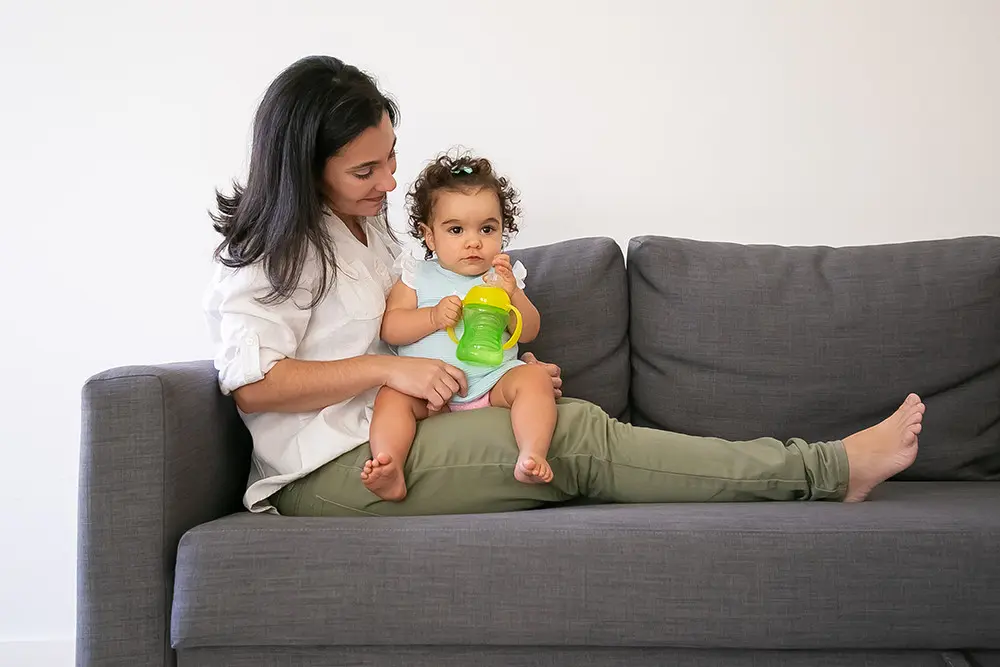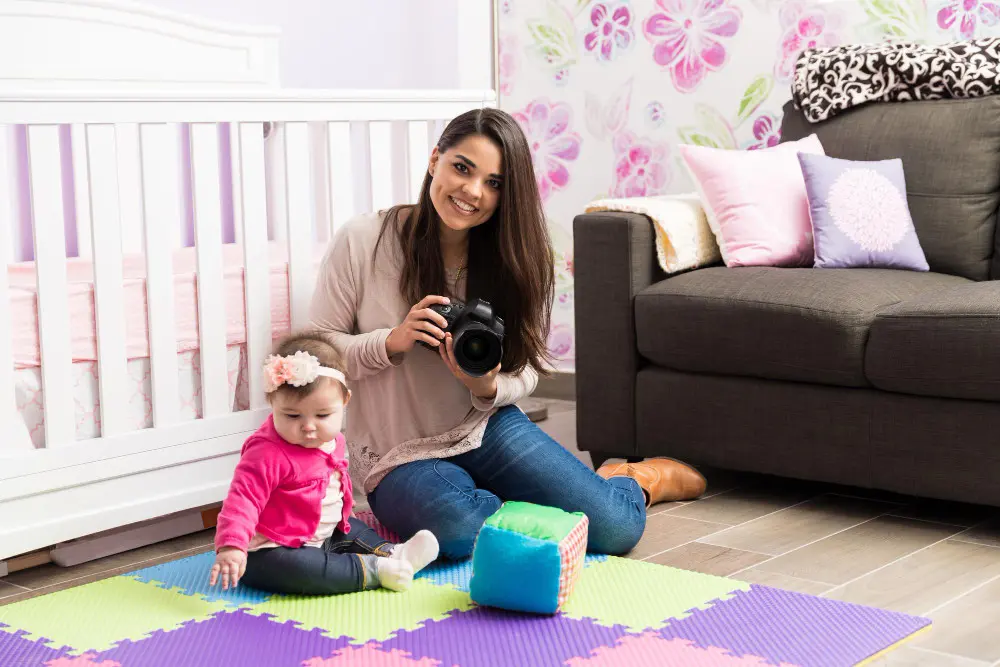
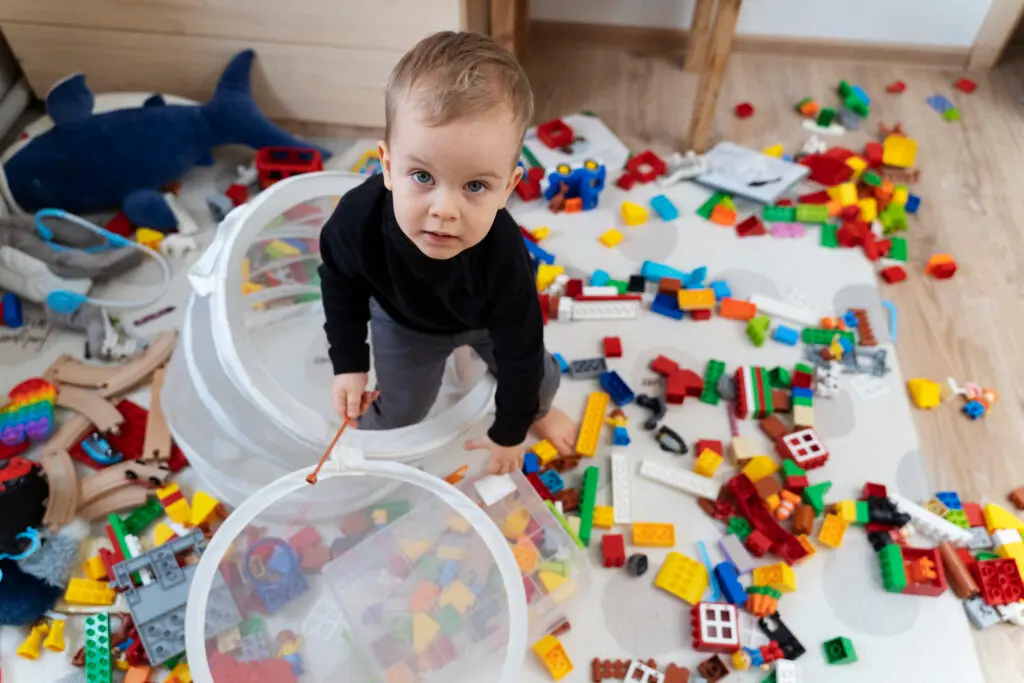
Parents often feel alarmed or frustrated whenever the toddlers are starting to throw things. However, according to the child-developmental perspective, such behaviour is normal and expected. In the toddler years, children use throwing as an activity to explore cause and effect, motor skills and express the emotions that they cannot express yet. By identifying the motivations that lead to this behaviour, the parents are able to react with prudent advice rather than with unnecessary anxiety or anger.
Why Toddlers Throw Things
As the toddlers learn to toss the items, they feel that this is an exciting and empowering element. Having the possibility to raise, discharge, as well as observe the following consequence allows them to understand the mechanics of their own bodies and causal correlations that follow their actions. The throw is a little experiment sharing the lessons of movement, distance, and cause and effect.
Throwing is also important in physical development. It assists in muscle strengthening, improvement of coordination and development of control of hands and eyes. At the same time, the gesture of throwing may denote emotional conditions. In the event that toddlers are frustrated, over-stimulated, or requested to stop doing something they like, they can throw items to express those emotions- especially when they are not able to do so verbally.
Whereas the throwing might seem to be disruptive, it is usually natural and temporary. The tendency to throw inevitably decreases as toddlers learn more developed language use, emotional regulation mechanisms, and other types of play and creativity.
How to Stop a Toddler from Throwing Things
The first important factor is that throwing is a stage that most of the toddlers will naturally grow out of. A move to outlaw it completely usually backfires, making the behaviour all more desirable and frustrating to all the involved parties. It is easier to direct the throwing into different channels, where it can do much harm than to attempt to eliminate it.
Set Boundaries That Feel Safe and Predictable:
First of all, you need to set clear but realistic limits. Make the toddler aware of those things that can be thrown and those that cannot. Tossing may be performed with soft balls, beanbags or outdoor toys, but not hard or delicate objects. Make it clear where it can be thrown, whether outside or in a special playground. This will allow the toddler to understand what to expect without feeling constantly confined.
Respond Calmly and Stay Consistent:
Whenever a toddler throws something not safe, respond to the issue in a calm and consistent manner. The object should be removed carefully, and a brief reason given as to why it was not appropriate. When they become upset, excessive reactions, shouting or capitulation only contribute to the reinforcement of the behaviour. Rather, shift them to an appropriate object or action that will fulfill the same desire to move or expend energy.
Understand the Emotion Behind the Throwing:
The point is that the throwing is accompanied by the feelings that must still be taken into consideration. It is common to find many toddlers throwing objects in response to frustrations, overstimulation or challenges of the transitions. Admitting these emotions and providing options, such as running, squeezing a pillow, or using such phrases as all done or help can help reduce the desire to throw. Although the child may not be able to pronounce the words at this point, rehearsing the words helps him/her to understand.
Provide a Supportive, Safer Play Environment:
The appropriate environmental arrangement could have a tremendous impact on behaviour. Store breakable objects where they cannot be reached, offer safe play areas, and offer play materials that encourage meaningful movement. Toddler learning is stimulated by repetition; consequently, a consistent response in a calm manner every time would bring them a feeling of safety and improve learning.
Patience is paramount. Frequent practices and encouragement of the toddler are necessary to develop self-discipline. When the propensity towards throwing is carefully instilled, with some teaching and plenty of restraint, both the boundary is drawn and emotional sensitivity will improve as language, coordination and emotional regulation are developed.
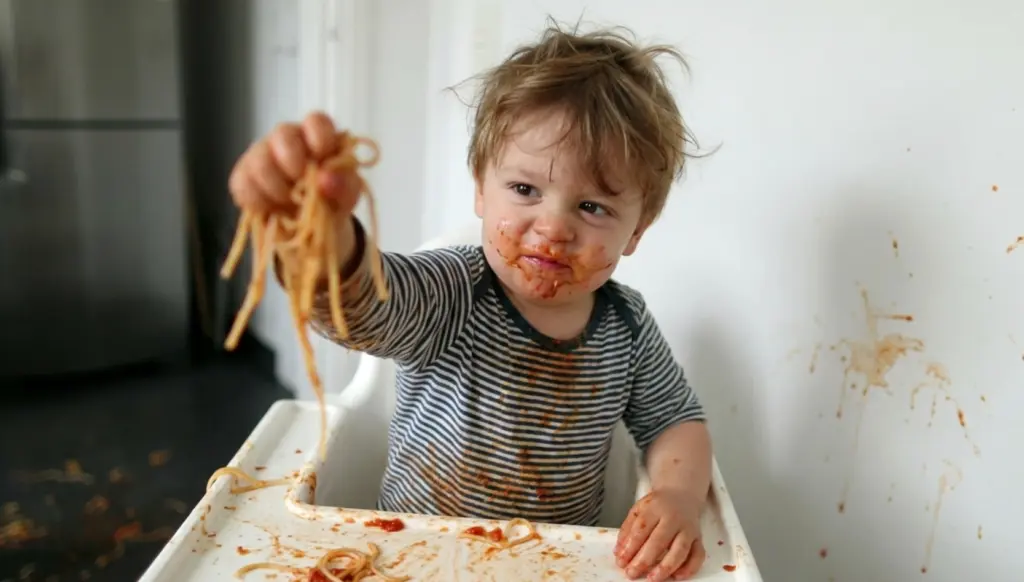
What to Do When Your Toddler Throws Food
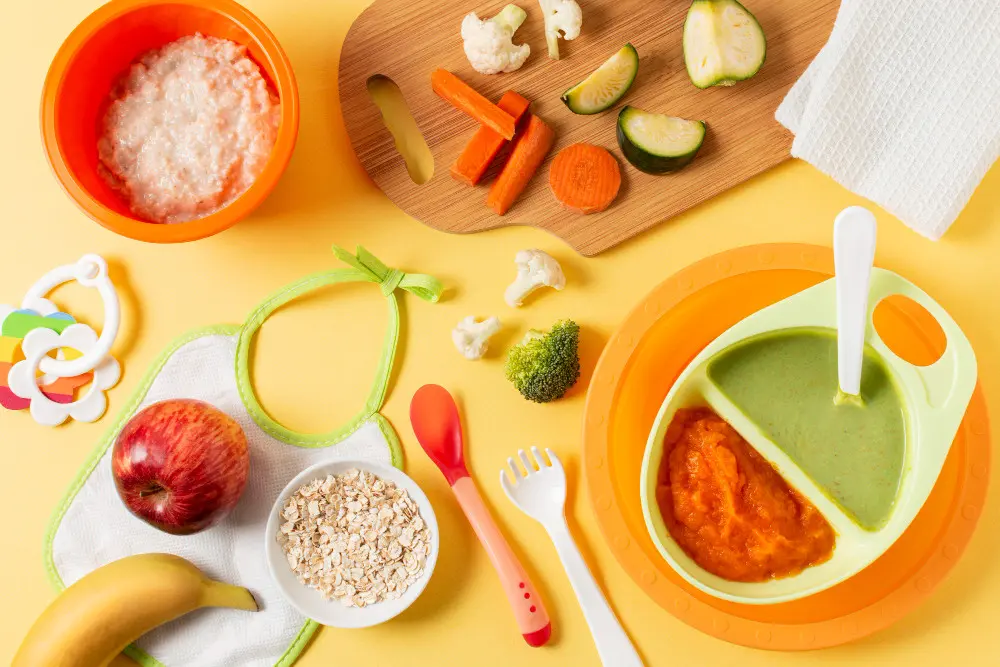
when you check your toddler plate just to find that the food is scattered on the floor, you are not the only one to do so. It is a stage in the lives of most parents when mealtimes are chaotic and stressful instead of peaceful. It is a frustrating experience, but food throwing is a usual aspect of toddlerhood.
The majority of toddlers drop food as they have finished their food, want to experience the texture of something, or want to provoke a response. They do not have the vocabulary to express that they are over with or that they do not want this at this age, and thus, throwing is what they use as a form of communication. It is hardly about being impolite or pushing the boundaries.
The most positive reaction is a relaxed and foreseeable reaction. When eating, always stay close enough to the food to prevent it falling on the ground. Use a very plain instruction like “Food is on the plate” and adopt an indifferent response. Rude reactions such as laughing can unconsciously turn the process of food throwing into a game. Eating less can also reduce wastage and temptation.
In case of the persistence of the behaviour, end the meal without any shouting or preaching. In this way, the child learns that food should be thrown away, as the meal is over and not to attract attention and other snacks. Most toddlers leave this stage with patience, routine and gradual guidance and peaceful mealtimes are slowly regained.
How to Prevent a Toddler From Throwing Things
It is simpler to prevent throwing when the parents are concerned with preparing rather than correcting every time. Provide toddlers with frequent and safe throwing experience. Their need for movement can be met through activities like soft balls, beanbag toss or outdoor play in a safe manner. Considerate preparation of the environment such as keeping breakables out of the way and setting up play space also helps.
Everyday activities and emotional intelligence are also significant. When baby boomers are exhausted, starving, impatient, or distressed, they chuck. An anticipated routine, adequate rest, and early mild correction will prevent numerous throwing instances. Still, steady parenting ensures that toddlers feel safe. The impulse to hurl disappears as language and command of self develop.
FAQs: Why Toddlers Throw Things
Disclaimer: This article is for informational and educational purposes only and is not intended as medical, psychological, or nutritional advice, diagnosis, or treatment. Every child, body, and pregnancy is different — please consult your pediatrician, doctor, or a qualified healthcare provider for advice specific to your situation.