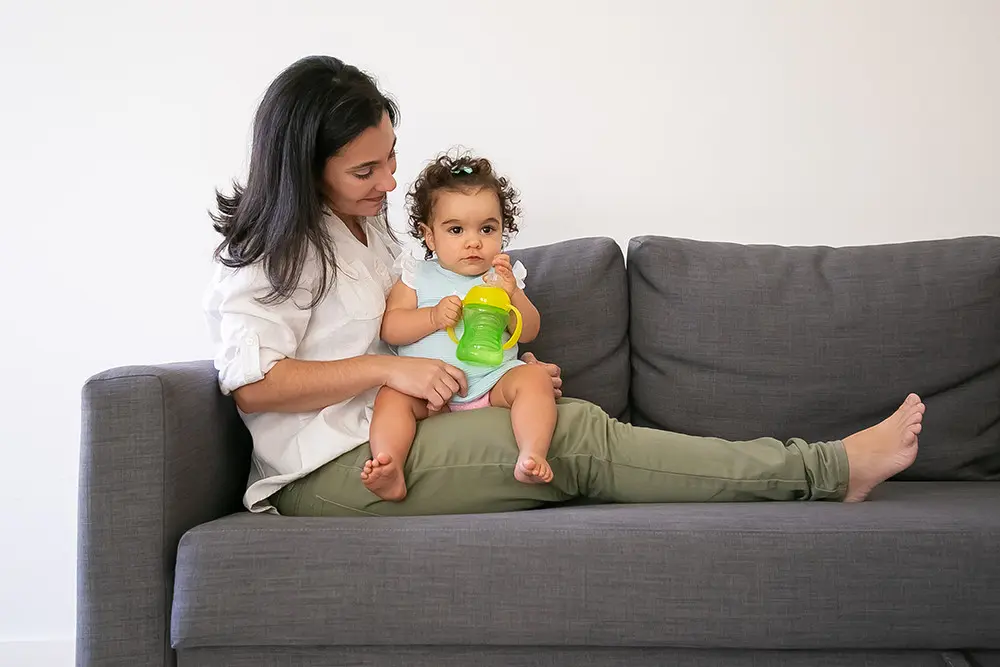
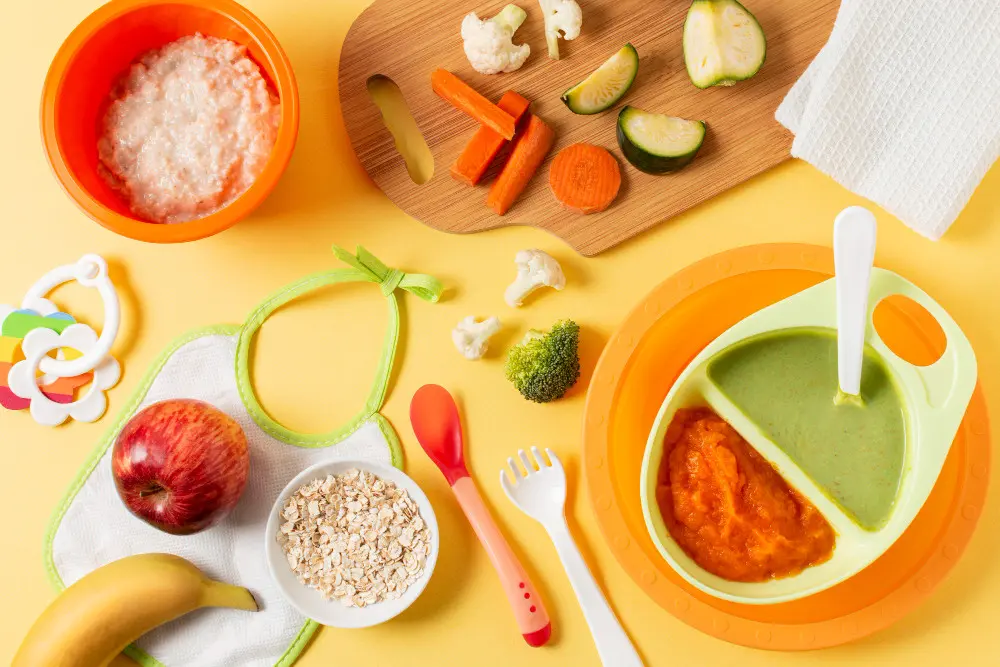
Did you know that 90% of your child’s brain development happens before age five? Those early meals—from simple Lentil Rice (Khichdi) to mashed Dates—are doing much more than filling tiny tummies. They are shaping memory, focus, and emotional health for life.
Many parents wonder what to give their toddler for brain development, especially when online advice favors Western options like salmon, chia seeds, or avocados. But our very own Pakistani and Indian kitchens hold incredible brain-boosting secrets. We have traditional superfoods—from Clarified Butter (Ghee) to Turmeric Milk—that blend modern science with our grandmother’s age-old wisdom.
Let’s explore the best foods for toddler brain development, all backed by science and rooted in our local culture.
Why Traditional Local Foods Are Best for Brain Growth?
Traditional home-cooked food is fresh, balanced, and nutrient-dense. Unlike processed snacks or packaged cereals, our cultural cuisine uses whole grains, lentils, healthy fats, and seasonal produce that naturally support cognitive and physical development.
Research shows that locally grown, minimally processed foods retain more micronutrients—especially Iron, Zinc, Omega-3 fatty acids, and B vitamins, which directly influence memory and learning. Moreover, spices like turmeric and natural fats like ghee bring anti-inflammatory benefits rarely found in processed foods.
7 Superfoods for Toddler Brain Development
1. Desi Ghee (Clarified Butter):
- The Science: Ghee is rich in healthy fats and compounds that aid in neuronal growth and memory function. Its Vitamin A and E support brain cell protection.
- The Tradition: Ghee or clarified butter, has always been the gold standard in South Asian kitchens, mixed into bread (Roti), lentils, or rice to “build sharp minds and strong bodies.”
- How to Serve: Add half a teaspoon of warm ghee over lentil-rice or stir into mashed vegetables for kids above one year.
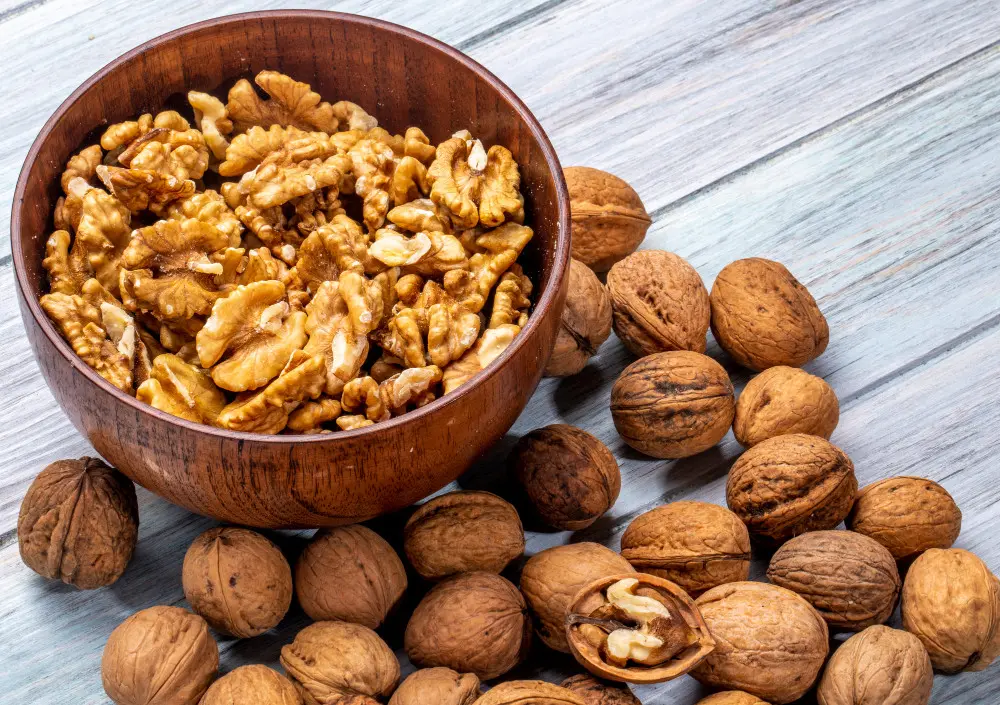
2. Walnuts and Almonds:
- The Science: Walnuts contain Omega‑3 fatty acids that enhance neural connections. Almonds are rich in Vitamin E and Magnesium—both vital for concentration.
- The Tradition: Soaked and peeled almonds have long been a classic brain food in our households. Elders often say, “Eat five almonds in the morning for better memory!”
- How to Serve: Grind soaked nuts into a paste and mix with milk or porridge. For younger babies, make a fine powder to avoid choking.
3. Dates (Khajoor):
- The Science: Dates are a powerhouse of energy, Iron, and Fiber. They contain natural sugars (glucose) that provide an instant brain-energy boost without the crash caused by refined sugar.
- The Tradition: In Pakistan, dates are not just healthy but culturally significant. It is often one of the first sweet tastes introduced to babies for energy and strong bones.
- How to Serve: Baby: Mash one soft date (remove skin and seed) and mix with warm milk.
To serve it to a toddler, chop them into small pieces as a natural sweet snack or add to milkshakes.
4. Lentils (Daal):
- The Science: Lentils are powerhouses of Iron, Folate, and Zinc—key nutrients for oxygen delivery to the brain.
- The Tradition: “Lentils and Rice” (Daal-Chawal) is a perfectly balanced meal of protein and carbohydrates loved by children for generations.
- How to Serve: Try Moong bean and rice porridge (Khichdi) with vegetables and ghee—it is gentle on digestion yet full of nourishment.
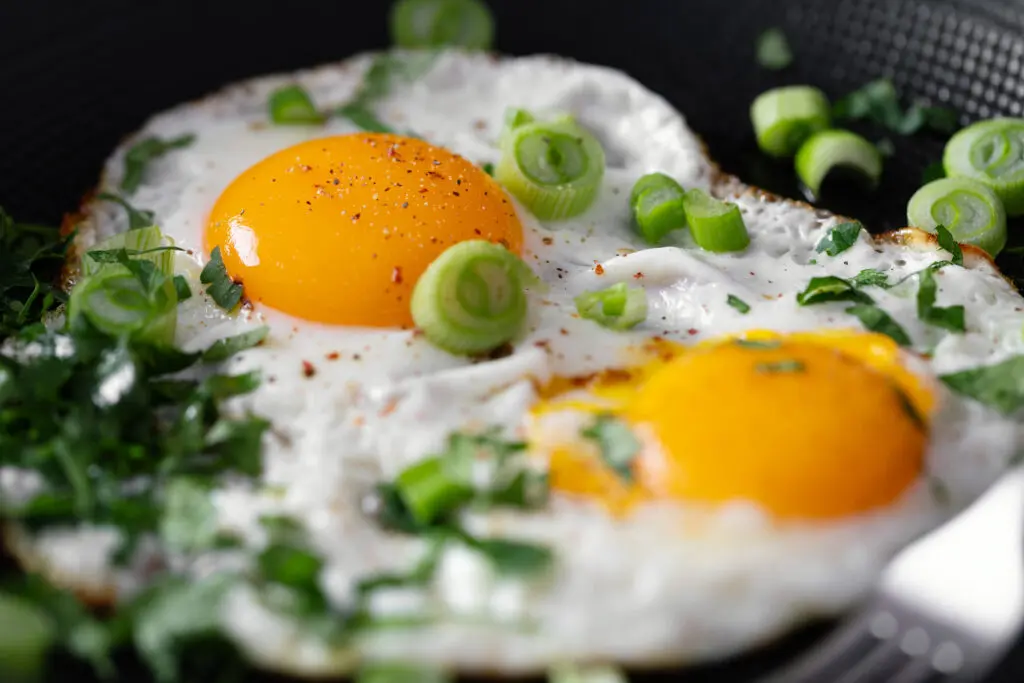
5. Eggs:
- The Science: Eggs are among the best foods for toddler brain development, packed with Choline, which builds new brain cells.
- The Tradition: Boiled eggs or omelets are morning staples in most homes—especially during school exam seasons—for energy and focus.
- How to Serve: Serve half a boiled egg or scrambled egg with flatbread (Paratha).
6. Yogurt (Curd):
- The Science: Yogurt supports the gut-brain axis. Good gut bacteria directly influence mood, memory, and attention span.
- The Tradition: A bowl of yogurt with lunch helps cool the stomach and boost digestion, a practice followed in many homes.
- How to Serve: Offer homemade yogurt plain, or blend with fruit to make a smoothie. Avoid sugary flavored yogurts.
7. Turmeric Milk (Golden Milk):
- The Science: Turmeric’s active compound Curcumin stimulates brain repair and reduces inflammation.
- The Tradition: “Golden Milk” (Haldi Doodh) is the original immunity booster—a bedtime ritual that soothes, heals, and supports growing brains.
- How to Serve: Add a pinch of turmeric and a drop of ghee to warm milk before bedtime.
Foods to Avoid (Brain Drainers)
Even healthy foods lose effectiveness if kids eat too much junk. Try to avoid:
- Refined sugar: Reduces focus and increases hyperactivity.
- Refined flour (Maida): Found in biscuits and white bread; it lacks nutrients.
- Packaged snacks: Block the absorption of vital minerals like Iron.
Opt instead for fresh, home-cooked meals and natural sweeteners like Jaggery (Gur) or Dates.
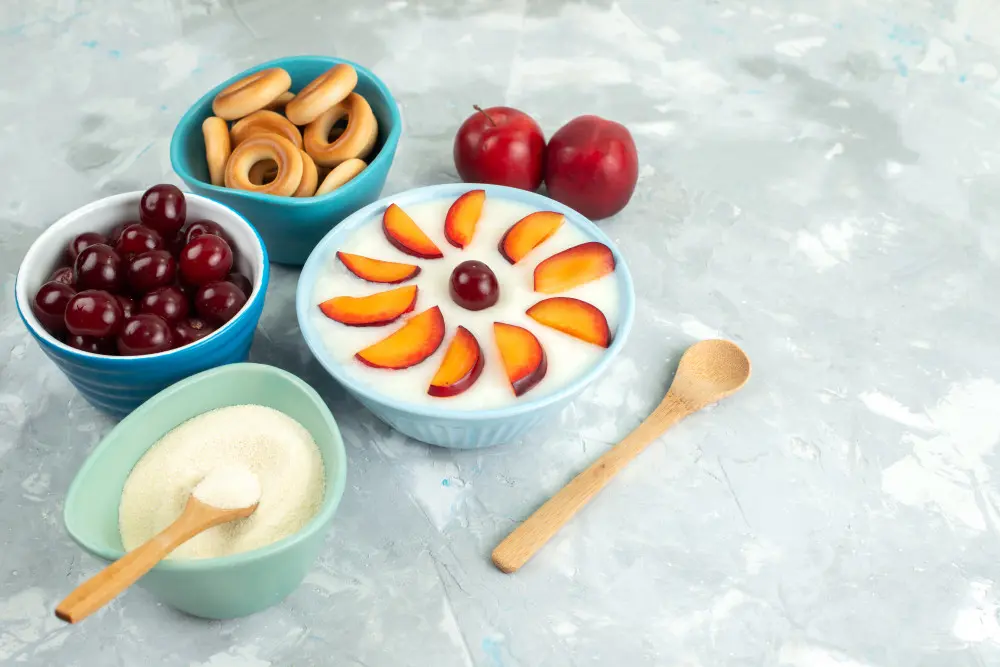
3 Quick & Healthy Toddler Food Recipes
Here are simple toddler food recipes that moms can try to balance nutrition with taste.
1. Spinach & Lentil Rice (Palak Khichdi)
Ingredients: Moong lentils, rice, spinach puree, a pinch of cumin, ghee.
Method: Cook rice and lentils with spinach. Finish with a spoonful of ghee for added brain-healthy fats.
Why it works: A classic comfort food that combines iron from spinach with healthy fats.
2. Dry Fruit Powder Mix
Ingredients: Almonds, walnuts, pistachios, cashews.
Method: Roast lightly, grind into a fine powder. Add 1 teaspoon in warm milk or porridge daily.
3. Semolina Porridge with Jaggery (Suji Sheera)
Ingredients: Semolina (Suji), ghee, jaggery, cardamom, water.
Method: Roast semolina in ghee, add water and jaggery. Cook until soft. A wholesome, iron-rich sweet treat.
Conclusion
Nurturing your child’s brain doesn’t require imported ingredients—it starts in your own kitchen. With local superfoods like Ghee, Dates, and Lentils, you can give your little one the best foundation for lifelong learning.
Healthy eating in the early years means brighter smiles and sharper minds tomorrow.
What’s your toddler’s favorite “brain food”? Share your family recipes in the comments below!
FAQs: Toddler Brain Development Foods (Desi Guide)
Disclaimer: This article is for informational and educational purposes only and is not intended as medical, psychological, or nutritional advice, diagnosis, or treatment. Every child, body, and pregnancy is different — please consult your pediatrician, doctor, or a qualified healthcare provider for advice specific to your situation.